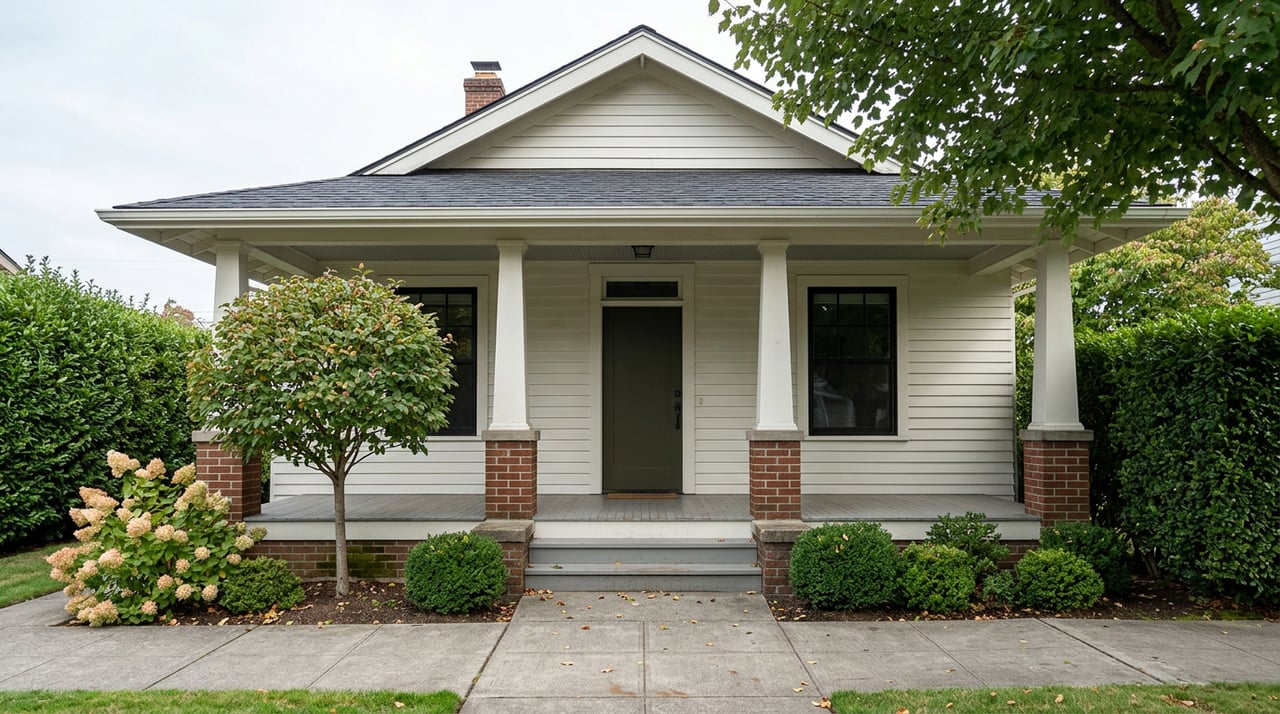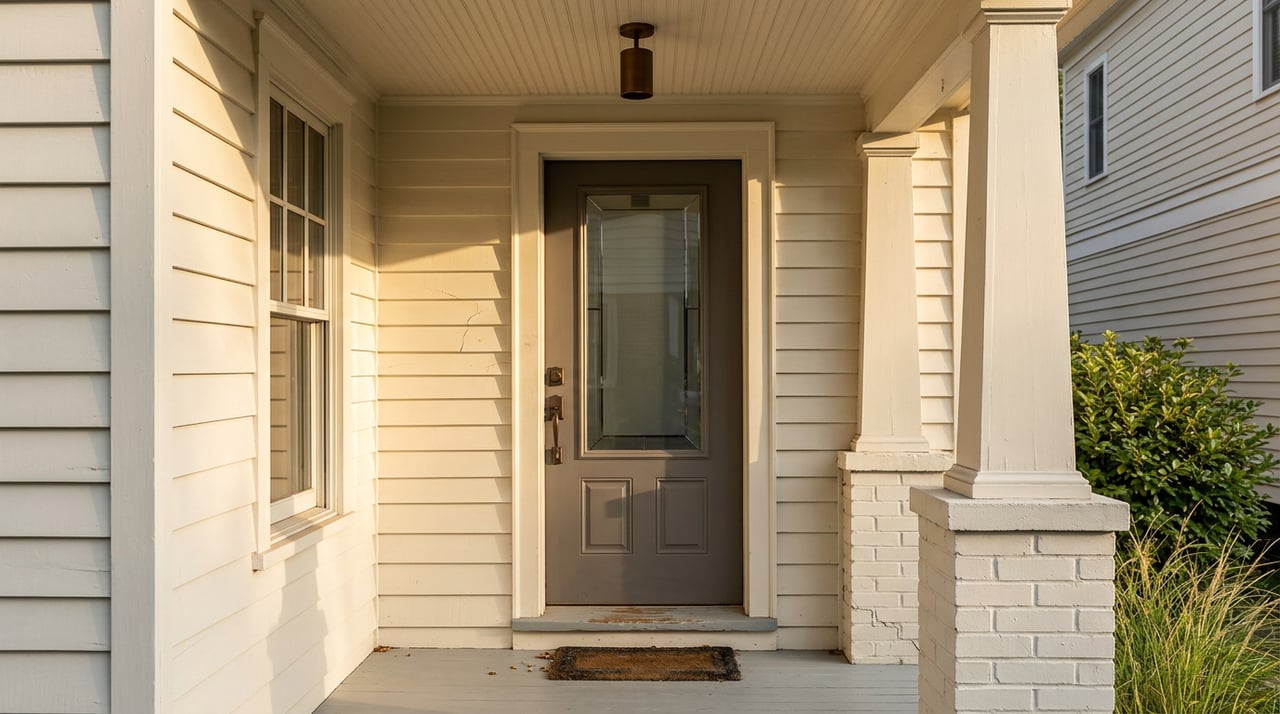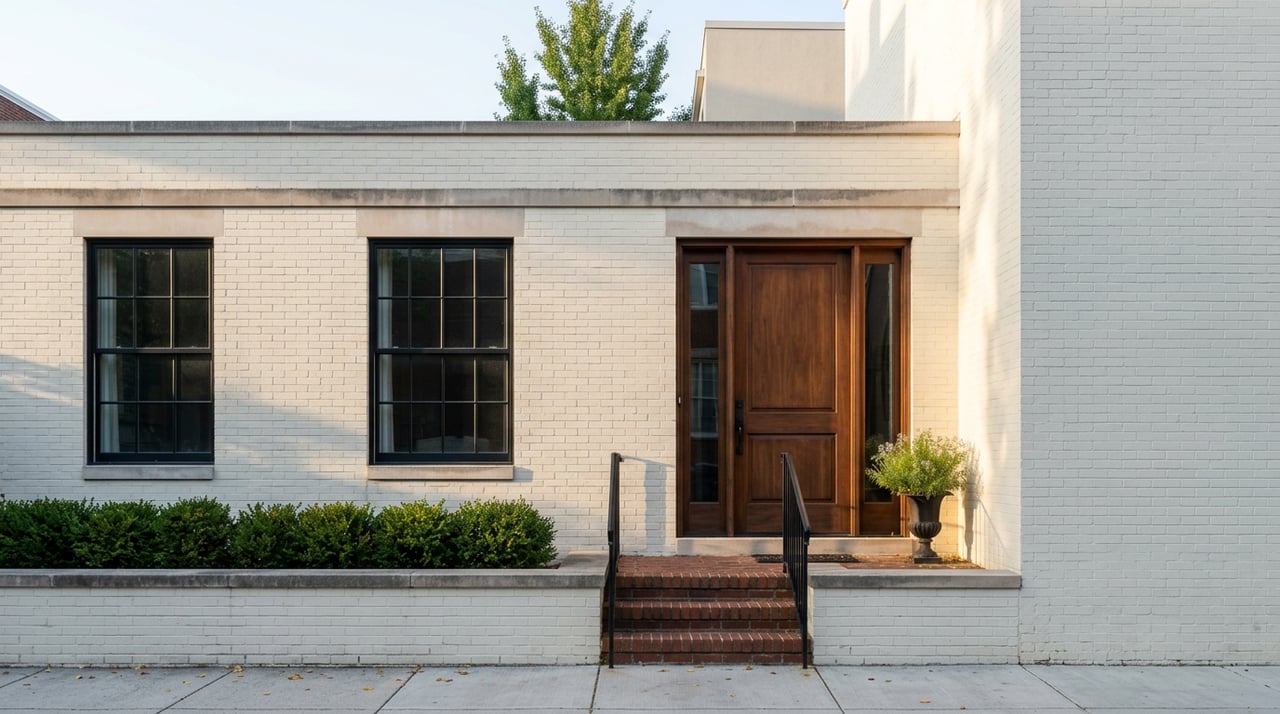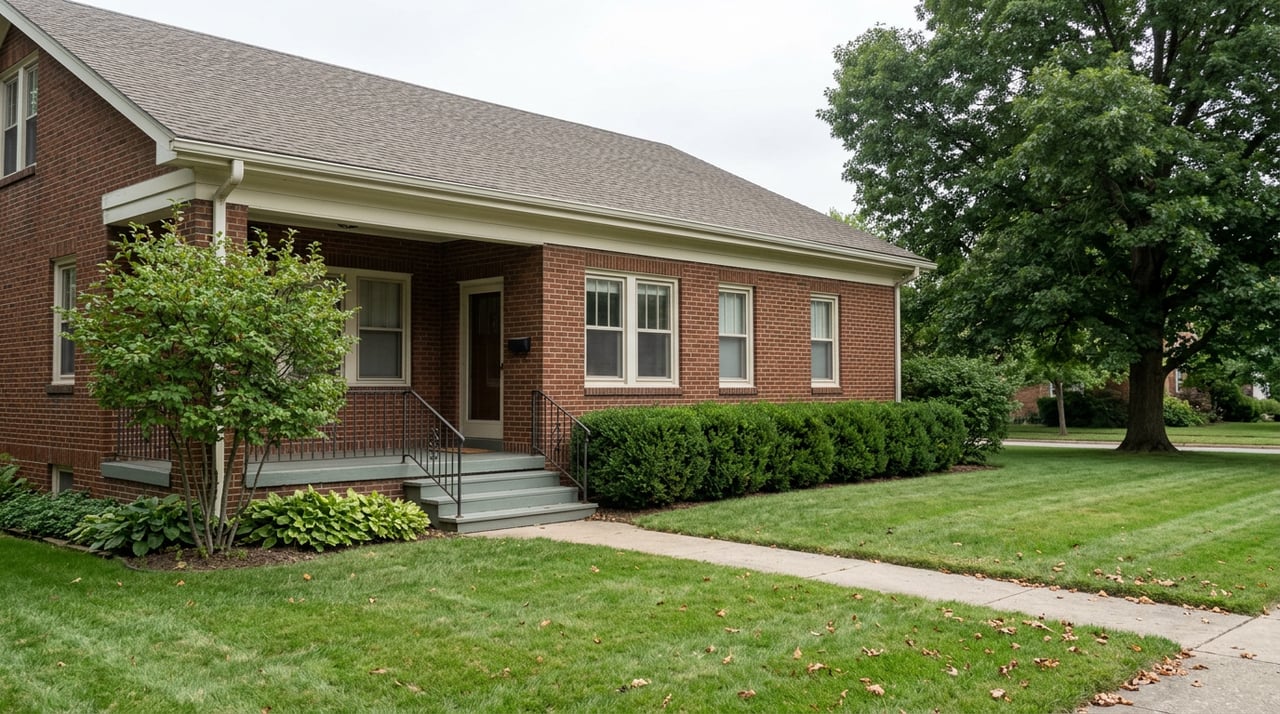
Walk two blocks in either direction from 49th and Pennsylvania and you'll pass homes with almost identical bones. Same era, same brick, same generous lot sizes that Meridian-Kessler is known for. One sells in nine days with multiple offers. Its neighbor sits for two months with a single showing a week. Both listings say "Meridian-Kessler." Both get folded into the same median price everyone quotes.
That median told a clean story for most of early 2026. Sale prices in the neighborhood ran $483,000 over the three months ending in March, up 6.3 percent from the same stretch a year earlier. By the time Redfin's trailing average updated again, it had climbed further, to $515,000, up 8.4 percent year over year. Read on its own, that looks like a neighborhood gaining value steadily and predictably.
It isn't the whole picture. Sitting right next to that price growth is a second number that tells a very different story about how this market actually behaves.
The Number Everyone Skips
During that same three-month window ending in March 2026, the average Meridian-Kessler home took 54 days to sell. A year earlier, that number was 32 days. That's a jump of nearly 70 percent in the time it takes a home to find a buyer, happening at the exact same time prices were rising.
Transaction volume didn't collapse either. Forty-six homes closed in March 2026, up from 43 the year before. More homes sold. They just took considerably longer to get there.
Put those two facts side by side and the tidy appreciation story gets complicated. A market where everything is simply "hot" doesn't also get slower to close. What you get instead, when price and speed move in opposite directions like this, is a market where the average is hiding two very different experiences happening under the same roof.
What's Actually Moving Fast
The price-per-square-foot figure is the clue. Over that same stretch, Meridian-Kessler's median sale price per square foot rose 17.1 percent year over year, to $199. That's nearly three times the growth rate of the median sale price itself.
When price-per-square-foot outpaces the median by that much while overall days on market stretches out, it points to a market bifurcating by condition rather than moving as one block. A smaller, fully updated home is commanding a real premium and closing quickly. A larger home in its original condition, on the same street, is sitting while buyers wait to see if the seller will adjust.
This isn't a hunch. It shows up in what's actually hitting the market. New listings in April 2026 carried a median list price of $400,000 and were drawing an average of one offer while sitting roughly 49 days. Meanwhile, recent listings advertising a laundry list of finished work, new roofs, updated kitchens, refinished hardwoods, tend to describe themselves as move-in ready rather than as opportunities. That distinction in the listing copy isn't marketing flourish. It's a pricing signal.
Meridian-Kessler has almost no new construction to reset that baseline. Nearly everything on the market was built in the first half of the twentieth century, which means the gap between a recently renovated foursquare and one that hasn't been touched since a previous owner refinished the floors isn't a matter of taste. It's a matter of decades, and buyers are pricing that gap in more aggressively than they were a year ago.
Same Neighborhood Name, Different Math
Cross into the pocket Redfin tracks separately as Meridian-Kessler Terrace and the numbers shift again. Homes there sold for a median of $376,000 over the same three-month window, up 22.4 percent year over year, at $137 per square foot.
| Meridian-Kessler | Meridian-Kessler Terrace | |
|---|---|---|
| Median sale price (3 mo. ending Mar 2026) | $483,000 | $376,000 |
| Price per square foot | $199 | $137 |
| Year-over-year price change | +6.3% | +22.4% |
That's a $62 gap in price per square foot between two areas sharing part of the same name, and the smaller market is appreciating more than three times as fast in percentage terms even though it starts from a lower base. Head a few blocks west into Butler-Tarkington and the pattern holds again: the same square footage generally costs less at the median there, though homes near Butler University or ones that have been through a recent renovation can trade at prices that rival Meridian-Kessler's own numbers.
None of this means the neighborhood boundaries on a map are wrong. It means a single price per square foot, quoted without a street name attached, tells you less than you'd think. Some agents working the area describe as many as eight informal pockets inside Meridian-Kessler's official boundary, each with its own mix of lot sizes, architectural style, and proximity to College Avenue's retail corridor. A number that averages across all eight isn't wrong. It's just not useful for pricing a specific block.
The Condo Market Is Playing an Entirely Different Game
Single-family homes aren't the only inventory here. As of late May 2026, condos in Meridian-Kessler carried a median list price of $169,000 and were moving in about 21 days, a fraction of the 54-day average for detached homes earlier in the year.
That gap makes sense once you consider what a condo buyer is actually shopping for. Buildings like the ones clustered along North Meridian Street sell turnkey by design: updated units, building maintenance handled by an association, and a price point that draws a different buyer than the one comparing 1920s Tudor Revivals on Washington Boulevard. It's a smaller, cleaner decision, and it closes faster because there's less variance to price around.
What This Actually Means for Your Next Move
If you're comparing Meridian-Kessler to other Indianapolis neighborhoods based on the headline median, here's what to carry into that comparison instead:
- A home that's been updated in the last two or three years is likely to draw offers close to the fast end of the range, not the 54-day average.
- A home priced like it's already renovated, when it isn't, is the one most likely to sit closer to two months or longer.
- The specific pocket matters as much as the neighborhood name. Ask what part of Meridian-Kessler a comparable sale came from before you anchor to its price.
- Condos and single-family homes here are effectively two separate markets with two separate timelines. Don't average them together when sizing up your own plans.
For a seller sitting on a home that hasn't been touched since the last renovation cycle, the math argues for closing that gap before listing rather than pricing as if the buyer will do it themselves. For a buyer, it argues for looking past the median entirely and asking a specific question about a specific block: what condition is this home actually in, and what did the last comparable sale on this street look like once you strip out the ones still sitting.
A Few Questions Worth Asking Directly
Does a longer average time on market mean prices are about to soften? Not on its own. Transaction volume in Meridian-Kessler actually rose slightly in the same window that days on market lengthened, which points to a market taking longer to match buyers with the right home rather than one running out of buyers altogether.
Is Meridian-Kessler Terrace really part of Meridian-Kessler? It's tracked as its own micro-market by major data sources, with pricing that runs meaningfully lower per square foot. Worth confirming which boundary a comparable sale falls inside before using it to set expectations for your own address.
Why does price per square foot matter more here than in a newer suburb? Because there's so little new construction resetting the baseline. In a neighborhood built almost entirely between the 1890s and the 1940s, the condition of an individual home carries more of the pricing story than it does somewhere with a steady supply of new-build comparables.
If you're trying to figure out what your own Meridian-Kessler home is actually worth in this kind of split market, or what a listing on 49th Street versus one on Carrollton Avenue really tells you about your budget, that's a conversation best had with someone tracking these blocks in real time. Hundley Residential works this neighborhood alongside the rest of Greater Indianapolis and can walk you through what the current numbers mean for your specific street. Start Your Move with Hundley Residential.