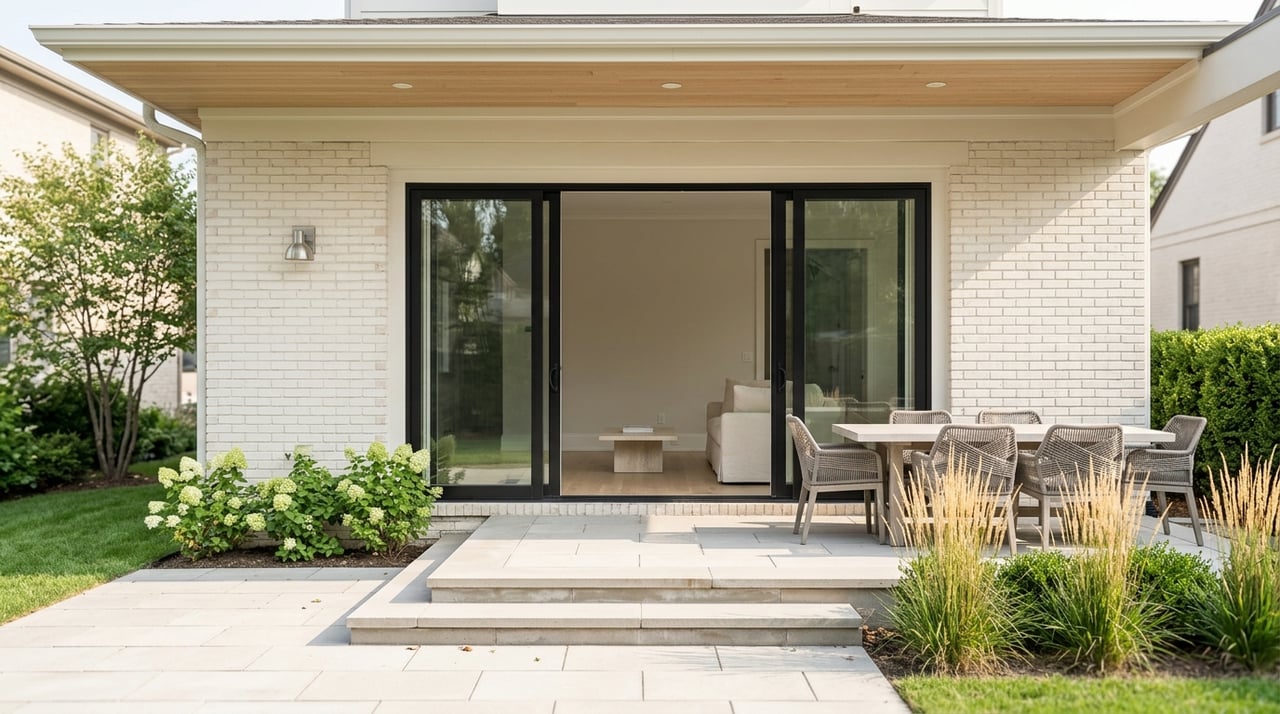
Ready for more home without giving up the energy of the city? If you are moving up from a starter home, condo, or rental, central Indianapolis gives you more than one way to do it. The challenge is that your next step is not just about square footage. It is also about commute, upkeep, outdoor space, and how much change a home may need. This guide will help you compare your main options in central Indianapolis so you can move forward with more clarity. Let’s dive in.
Why Central Indianapolis Works for Move-Up Buyers
Central Indianapolis gives you a mix of housing types that can be hard to find in one place. In Indianapolis city, the estimated population was 901,116 in July 2025, and the owner-occupied housing rate was 56.0%. That means you are looking in a city core where many people own their homes, but where lifestyle tradeoffs still matter.
For many move-up buyers, one of the biggest tradeoffs is time. The mean travel time to work in Indianapolis city was 24.6 minutes, which makes location and mobility part of the buying decision. If you want more space but still care about convenience, central neighborhoods can offer a useful middle ground.
The local housing numbers also help frame your options. The median owner-occupied home value was $224,800, median monthly owner costs were $1,462 with a mortgage, and median gross rent was $1,156. Those figures do not tell you what any one block will feel like, but they do show that central Indianapolis remains a mixed market with several paths for move-up buyers.
Compare the Three Main Move-Up Paths
Most move-up buyers in central Indianapolis end up comparing three broad choices. Each one can work well, but each comes with a different day-to-day experience.
Renovated Historic Homes
If you love original details, mature streetscapes, and homes with personality, a historic home may be the right fit. These properties often appeal to buyers who want character that newer construction may not offer. They can also place you in established central neighborhoods with a strong architectural identity.
The tradeoff is that older homes often require more planning. Exterior changes in locally designated historic districts may be subject to review. The city provides an address-based lookup tool so you can check whether a property is inside a historic district before you get too far into your decision.
If a home is in one of these areas, covered exterior work may require approval from the Indianapolis Historic Preservation Commission, along with a certificate of appropriateness before an Improvement Location Permit is issued. That does not mean a historic home is the wrong choice. It means you should go in with a clear picture of what updates may involve.
Newer Infill Single-Family Homes
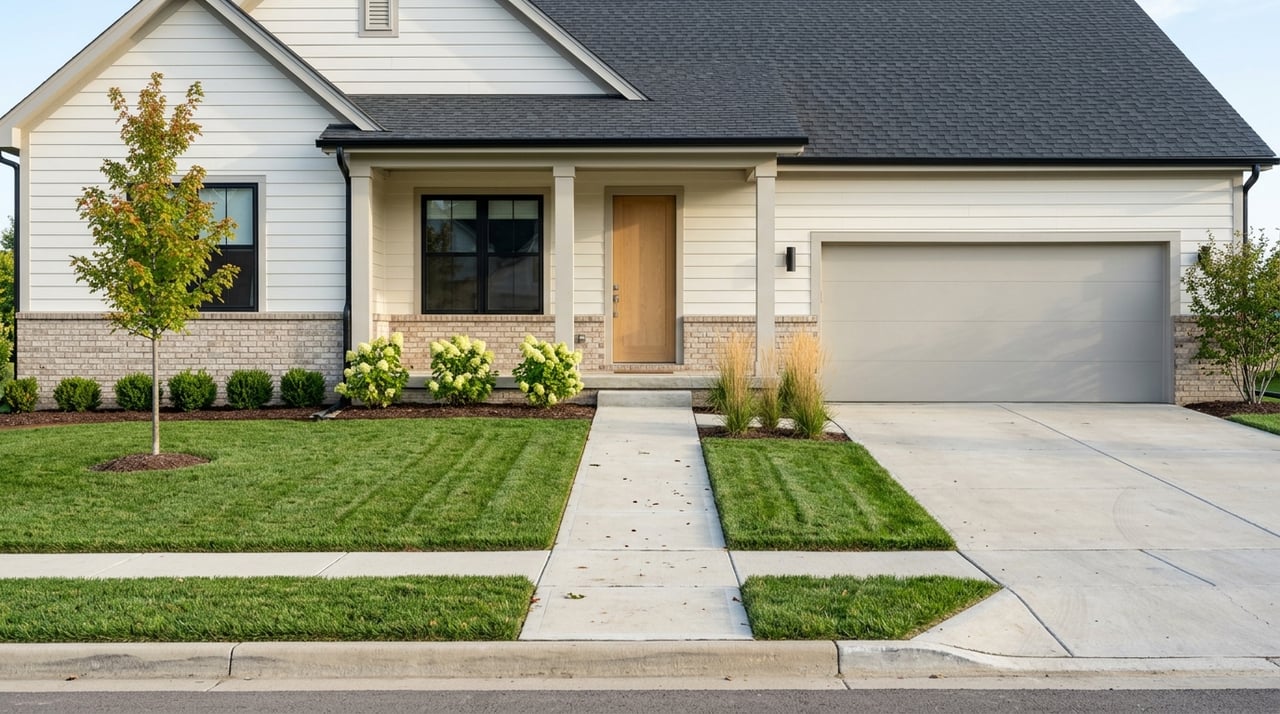
If your goal is a more modern floor plan, updated finishes, and less renovation work, newer infill homes can be a strong option. These homes often appeal to buyers who want to stay close to the urban core without taking on a major project. You may get a layout that better fits how you live now, including more open living areas or newer systems.
Marion County recorded 1,906 building permits in 2024, which points to continued construction and renovation activity across the market. For move-up buyers, that supports the idea that newer options are part of the central Indianapolis story, not just a suburban trend.
The tradeoff is often outside the house rather than inside it. Newer infill homes may come with smaller lots and less mature landscaping than homes on older blocks. If private yard space matters to you, that is worth weighing early.
Townhomes and Condos
If convenience matters more than a large yard, attached housing may be your best move-up path. Townhomes and condos can offer less day-to-day maintenance and easier access to downtown amenities. For some buyers, that freedom is a bigger upgrade than extra land.
This option can make particular sense if you value a more connected lifestyle. The Julia M. Carson Transit Center sits near downtown, the Cultural Trail, and the YMCA Bike Hub. The Indianapolis Cultural Trail spans 10 miles and connects six downtown cultural districts, which adds practical value for buyers who like getting around without relying on a long drive for every errand or outing.
The tradeoff is usually privacy and outdoor space. You may have less private exterior area than you would with a detached home. Still, if your priority is ease and location, attached housing can be a smart next step.
Commute Should Shape Your Search
When you move up, it is easy to focus on bedrooms, finishes, and storage. But your daily routine matters just as much. In central Indianapolis, transit access and travel time can change how a home feels long after move-in day.
IndyGo’s Red Line runs 13 miles through the heart of the city, with service every 15 to 20 minutes and weekday hours from 5 a.m. to 1 a.m. According to IndyGo, it connects neighborhoods to jobs, cultural institutions, healthcare, and education. If saving time matters to you, a transit-adjacent location may offer real value.
That is especially true if you are deciding between more space farther out and a slightly smaller home in a more central area. A shorter or simpler commute can balance out a smaller lot or fewer total square feet. For many move-up buyers, convenience is part of the upgrade.
Outdoor Space Is Not Just About Yard Size
A larger yard is often high on a move-up wish list. In central Indianapolis, though, outdoor living can come from a broader network of public spaces and trails. That can expand your choices if you are open to thinking beyond your lot line.
The Monon Trail runs from 10th Street to 96th Street and connects with Fall Creek Greenway and the Central Canal Towpath. The Central Canal Towpath stretches 7.7 miles from Broad Ripple to downtown. The White River Trail is about 4.75 miles, and Fall Creek Trail runs 6.9 miles from Skiles Test Nature Park to the Monon Trail.
For buyers comparing a smaller-lot home or attached housing against a home with more private yard space, this matters. You may be able to trade some private outdoor space for easier access to trails, parks, and recreation. The best fit depends on how you actually want to spend your time.
Due Diligence Matters Block by Block
One of the most important truths about central Indianapolis is that conditions can change quickly from one block to the next. That is why parcel-level research matters, especially when you are comparing older homes, infill construction, and attached housing.
The city’s GIS tools let you search by address or neighborhood and view layers for neighborhoods, bus routes, historic districts, zoning, and flood plain information. This can help you narrow your search and ask better questions before you make an offer.
If you are considering a home with renovation potential, this step becomes even more important. A house that looks like a simple cosmetic update may come with added review requirements if it sits within a historic district. Checking these details early can save time and help you choose a home that matches your comfort level.
How to Choose the Right Move-Up Option
There is no one-size-fits-all answer in central Indianapolis. The right move-up home is the one that aligns with how you want to live now, not just the one with the longest feature list.
A simple way to compare options is to focus on four questions:
- How important is your commute or access to transit?
- Do you want private outdoor space, or would nearby trails and parks work well for you?
- Are you excited by renovation potential, or do you want something more turnkey?
- Have you confirmed whether the property is in a regulated historic district?
If you are drawn to design details and established streetscapes, a historic home may feel worth the extra planning. If you want a more modern layout, newer infill may offer a strong balance. If you want lower maintenance and easy access to downtown, a townhome or condo may be the better fit.
A Smart Move Starts With Clarity
Moving up in central Indianapolis is not only about buying a bigger home. It is about choosing the version of city living that fits your next chapter. When you understand the tradeoffs between character, convenience, outdoor space, and renovation rules, you can search with more confidence and fewer surprises.
If you are weighing central Indianapolis neighborhoods and want thoughtful guidance on resale or newer-home options, Hundley Residential can help you move with clarity and confidence.
FAQs
What makes central Indianapolis a good place for move-up buyers?
- Central Indianapolis offers several move-up paths, including historic homes, newer infill single-family homes, and townhomes or condos, along with access to transit, trails, and established neighborhoods.
What should you know about buying a historic home in central Indianapolis?
- You should check whether the property is in a locally designated historic district, because covered exterior work may require Indianapolis Historic Preservation Commission approval, a certificate of appropriateness, and an Improvement Location Permit.
Are newer homes available in central Indianapolis neighborhoods?
- Yes. Newer infill homes are part of the market, and Marion County recorded 1,906 building permits in 2024, reflecting ongoing construction and renovation activity.
How does transit affect a move-up home search in Indianapolis?
- Transit can be a major factor if you value time savings. IndyGo’s Red Line runs 13 miles through the city’s core, with service every 15 to 20 minutes and long weekday hours.
Can you still have outdoor access without a large yard in central Indianapolis?
- Yes. Many buyers use the area’s trail network, including the Monon Trail, Central Canal Towpath, White River Trail, and Fall Creek Trail, as part of their outdoor lifestyle.
Why is address-level research important when buying in central Indianapolis?
- Conditions can vary block by block, and the city’s GIS tools can help you review neighborhood boundaries, bus routes, zoning, historic districts, and flood plain information before you move forward.