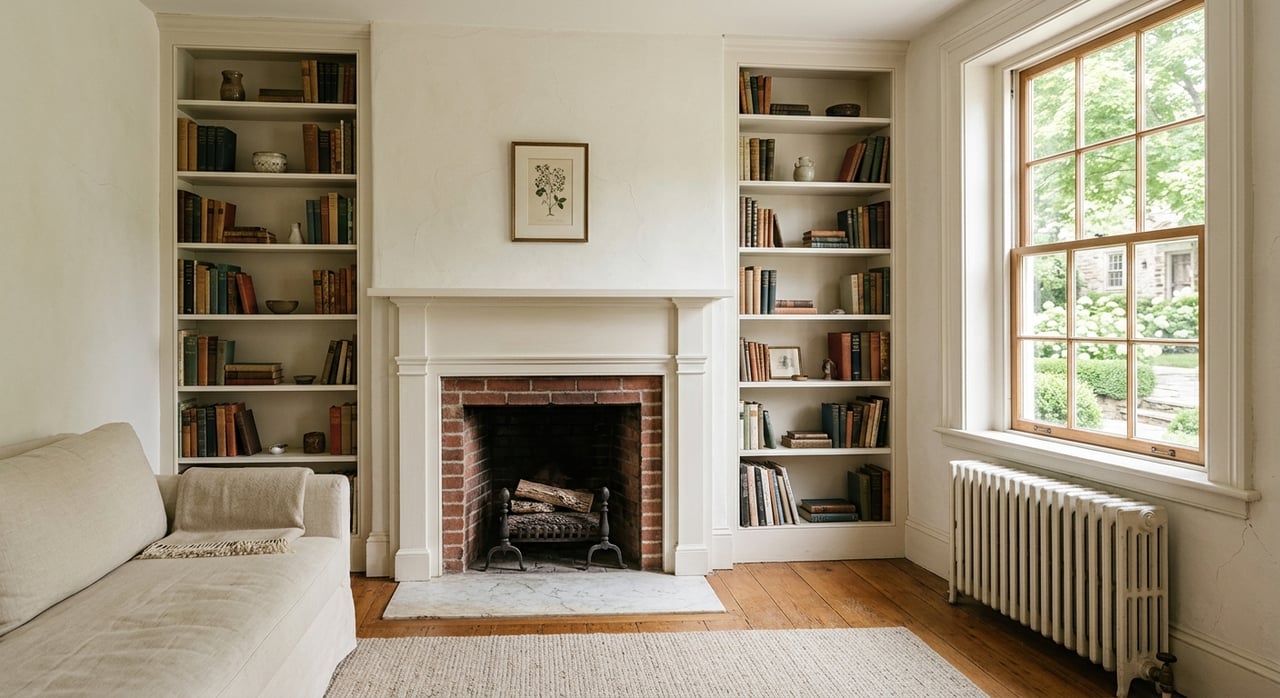
If you are thinking about buying a historic home in Meridian-Kessler, you are probably drawn to more than square footage. You may love original windows, detailed masonry, classic floor plans, and the sense of character that newer homes often cannot replicate. The good news is that with the right planning, you can buy with confidence and protect what makes these homes special. Let’s dive in.
Why Meridian-Kessler Stands Out
Meridian-Kessler sits on Indianapolis’s north side and is generally bounded by Kessler Boulevard East Drive, 38th Street, the Monon Trail, and Meridian Street. According to the Meridian-Kessler Neighborhood Association resources, the neighborhood includes more than 6,000 homes and more than 18,000 residents.
This is a neighborhood with deep roots. The area was first populated in the 1820s, and much of the housing stock was built in the 20th century, with the biggest building boom before the Depression. That history shows up in the homes you tour today.
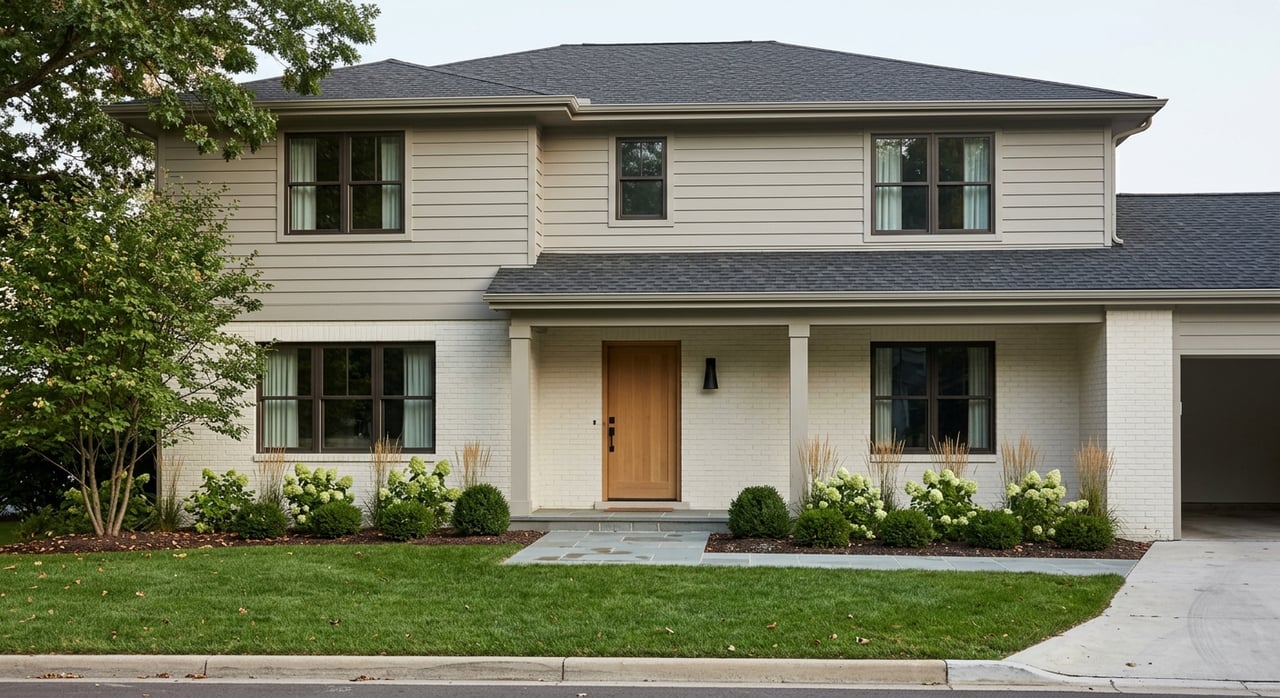
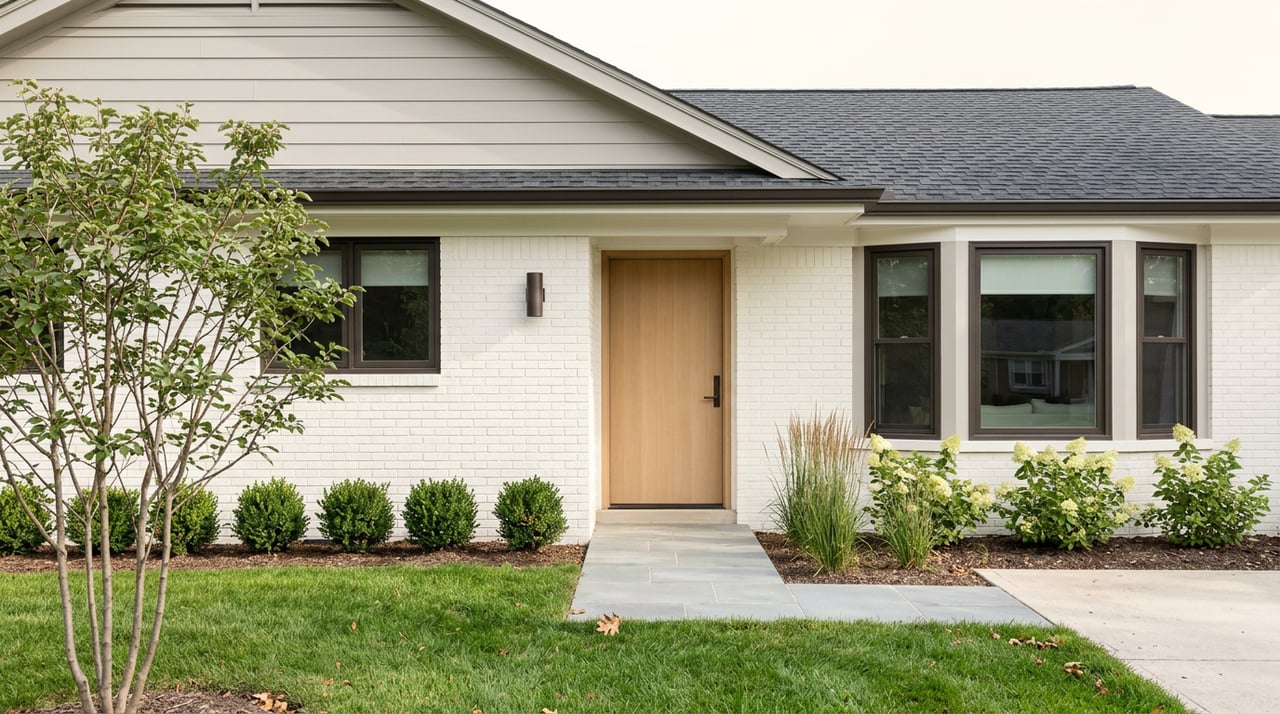
One of the most important things to understand is that Meridian-Kessler is not defined by just one house style. The Encyclopedia of Indianapolis overview of Meridian-Kessler describes American Foursquare homes south of 44th Street, bungalows east of College Avenue, and larger period-revival homes west of College Avenue, along with Colonial Revival, Tudor Revival, and Classical Revival examples.
For you as a buyer, that means two things. First, each home needs to be evaluated on its own merits. Second, preserving character is usually less about following one formula and more about understanding the specific materials, details, and design of the house in front of you.
Know the Historic Designation Rules
A common misconception is that every older home in Meridian-Kessler falls under the same historic rules. That is not the case. According to Historic Urban Neighborhoods of Indianapolis, three National Register districts are currently inside the neighborhood, and the North Meridian Street Historic District overlaps the neighborhood’s western edge.
That distinction matters because different designations can affect what approvals you need before making exterior changes. If the home is on the North Meridian Street corridor, there is a separate preservation process to know before you buy.
The Meridian Street Foundation states that along Meridian Street between 40th Street and Westfield Boulevard, owners must obtain approval from the Meridian Street Preservation Commission before changing the grounds or exterior of a home. A state report also notes that owners must file petitions for approval for zoning variances and changes in the appearance of their property.
In locally designated historic preservation areas in Indianapolis, the zoning ordinance requires both a site and development plan and a Certificate of Appropriateness before an improvement location permit is issued. The Indianapolis zoning ordinance for historic preservation districts also gives the commission authority over certain exterior elements such as materials, architectural style, signs, and some parking-related standards.
Ask These Questions Early
Before you write an offer, it helps to get specific answers about the property’s status and project potential.
Questions to ask about designation
- Is the home in a National Register district, a locally regulated preservation area, or along the North Meridian Street corridor?
- Have prior exterior changes been approved, and is documentation available?
- Are there pending or unfinished projects that may require follow-up approval?
Questions to ask about renovation plans
- If you want to update windows, roofing, masonry, or an exterior addition, what approvals would be required?
- What permits may be needed, and how long could review take?
- Are there contractors already familiar with the property’s existing conditions?
This is where a little diligence up front can save a lot of stress later. The more clarity you have before closing, the easier it is to plan timelines and budget realistically.
Focus Your Inspection on Older-Home Risks
A historic home inspection should go well beyond cosmetics. Charming trim, original floors, and handsome facades matter, but they should not distract you from the systems and structural elements that drive long-term ownership costs.
Start with water management
The National Park Service emphasizes that roofs, gutters, downspouts, windows, doors, walls, and foundations are central to historic-house maintenance because water intrusion causes much of the deterioration. In its guidance on moisture and wall systems in historic buildings, the NPS points to issues like missing mortar, cracks around openings, clogged gutters, and poor drainage as warning signs.
For a buyer, this means you should look closely at how the home moves water away from the structure. Even a beautiful home can become an expensive project if moisture has been ignored for years.
Review windows carefully
Historic windows are often a major part of a home’s visual character. The National Park Service advises in its guidance on evaluating historic windows that deteriorated historic features should typically be repaired rather than replaced, and if replacement is unavoidable, the new windows should match the originals in design and visual qualities.
That matters because window decisions affect both cost and future approvals. If you are buying a home with original windows, ask whether they have been maintained, whether storms or efficiency upgrades have been added, and whether any replacements were done in a way that respects the original look.
Look beyond surface updates
A fresh kitchen or updated paint does not tell you everything you need to know. The EPA notes in its consumer guide to a safe and healthy home that older homes often require ongoing repair and maintenance, including attention to heating and cooling systems.
That is why buyers should review mechanical systems early, along with insulation and moisture-related conditions. A home can feel move-in ready and still need meaningful infrastructure updates.
Test before opening walls
If the home was built before 1978, the EPA says it is more likely to contain lead-based paint. The agency’s lead safety guidance for homeowners also notes that renovation work can create dangerous dust, and contractors working in pre-1978 homes must use lead-safe practices.
The same EPA guidance explains that if asbestos-containing material is damaged or will be disturbed during remodeling, repair or removal should be handled by a trained and accredited asbestos professional. If you are planning any renovation, this should be part of your early due diligence, not a surprise after closing.
Build a Smarter Budget
Historic homes often require a different budgeting mindset than newer resale homes. You are not just budgeting for finishes. You are budgeting for preservation, maintenance, and the possibility that hidden conditions may appear once work begins.
A realistic budget in Meridian-Kessler should leave room for:
- Masonry repair
- Roof and gutter work
- Moisture control and drainage improvements
- Window restoration
- Lead or asbestos testing and possible remediation
These items are consistent with the issues highlighted by the NPS and EPA guidance above. Even if your inspection does not uncover major problems, building in contingency funds can help you move forward without feeling stretched.
Understand Permit Timing
Historic-home projects often take longer to launch than buyers expect. If you are planning exterior work, an addition, or a major renovation, timeline planning matters almost as much as budget planning.
The Meridian-Kessler Neighborhood Association advises homeowners and contractors to contact Business and Neighborhood Services early because permit review and approval can take more than four weeks. That does not mean every project will stall, but it does mean you should avoid assuming that work can begin immediately after closing.
If your goals include a quick exterior refresh, new hardscaping, or substantial updates before move-in, make sure your planning reflects possible review periods and approval steps.
Explore Available Tax Credits
Some buyers are surprised to learn that tax incentives for historic homes are fairly specific. They can be valuable, but only if the home and the project meet the requirements.
According to the Indiana residential historic rehabilitation credit program, the residential credit applies to a historic property in Indiana that is at least 50 years old, owned by the taxpayer, used as the taxpayer’s primary residence, and either individually listed in the Indiana Register of Historic Sites and Structures or contributing within a listed district.
It is also important to know what does not apply. The federal historic tax credit is for income-producing buildings and does not apply to a private owner-occupied residence.
Think About Long-Term Resale
When you buy a historic home, your decisions as an owner can shape future resale appeal. While no design choice guarantees a premium, preserving character-defining features usually supports a home’s authenticity and presentation.
The National Park Service standards favor repair over replacement and call for matching original design and visual qualities when replacement cannot be avoided. In practical terms, that means careful stewardship today can help the home feel cohesive and well cared for when you decide to sell.
It also helps to keep records. Save approval documents, contractor invoices, and product details for major work, especially if the home is in an area with preservation oversight.
How to Buy With Confidence
Buying a historic home in Meridian-Kessler can be incredibly rewarding, but it works best when you balance emotion with preparation. The architecture and craftsmanship may draw you in, but your success as an owner often depends on what you learn during inspections, permit research, and budget planning.
At Hundley Residential, we help buyers look at older homes with both appreciation and a practical eye. If you are considering a historic property in Meridian-Kessler and want thoughtful guidance through the search, due diligence, and decision-making process, we would love to help you take the next step.
FAQs
What should you inspect first when buying a historic home in Meridian-Kessler?
- Start with water management issues such as the roof, gutters, downspouts, windows, walls, drainage, and foundation, since water intrusion is a major cause of deterioration in older homes.
Do all older homes in Meridian-Kessler have the same historic restrictions?
- No. Some homes may fall within National Register districts, locally regulated preservation areas, or the North Meridian Street corridor, and each situation can affect approvals differently.
Can you replace original windows in a Meridian-Kessler historic home?
- Possibly, but the National Park Service recommends repairing historic windows first when feasible, and if replacement is necessary, the new windows should match the originals in design and visual qualities.
How long can historic permits take in Meridian-Kessler?
- The Meridian-Kessler Neighborhood Association advises contacting Business and Neighborhood Services early because permit review and approval can take more than four weeks.
Are there tax credits for buying and renovating a historic home in Indiana?
- Indiana offers a residential historic rehabilitation credit for qualifying properties that meet age, ownership, primary residence, and listing or contributing-district requirements, but the federal historic tax credit does not apply to private owner-occupied residences.