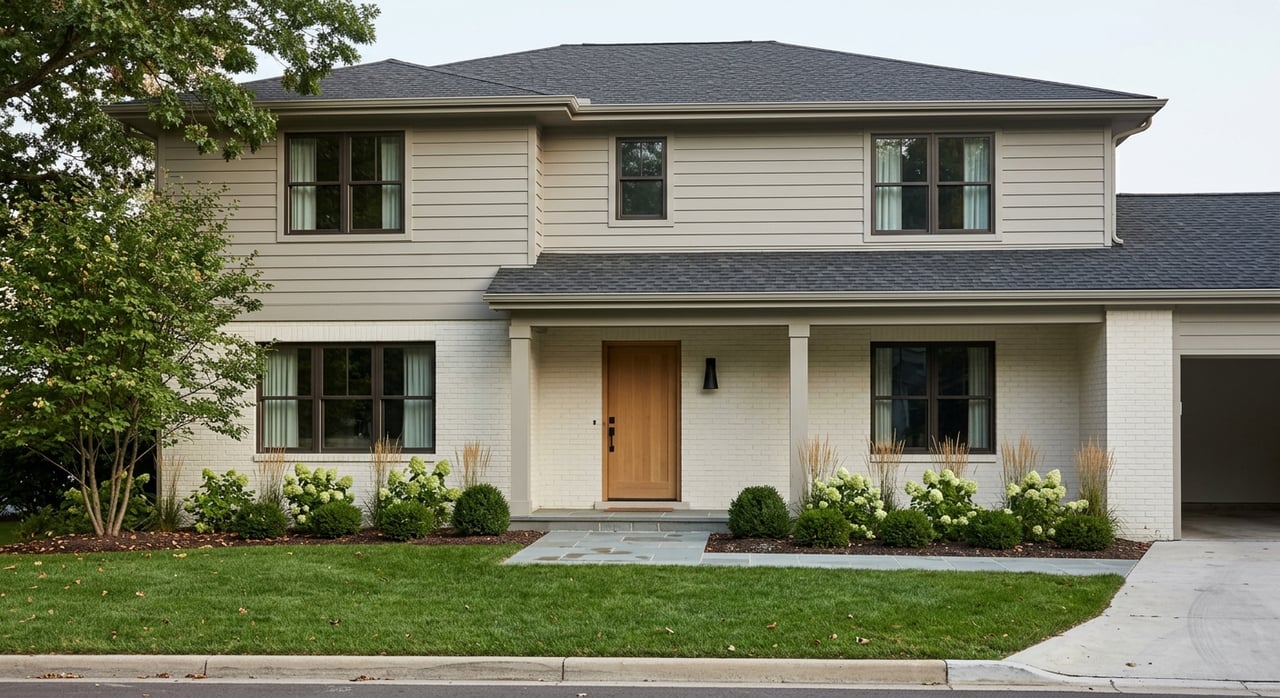
Thinking about a move to Indianapolis, but not sure which suburb fits your life best? You are not alone. For many buyers, the biggest challenge is narrowing down whether you want more space, a walkable core, newer construction, historic character, or easier access to downtown. This guide breaks down how Carmel, Fishers, Westfield, Noblesville, and central Indianapolis compare so you can start your search with more clarity and confidence. Let’s dive in.
Why Indianapolis Suburbs Stand Out
If you are relocating to the Indianapolis area, one of the first things you will notice is how different each part of the market feels. Even though these communities are close to one another, they offer distinct housing choices, price points, and daily routines.
According to U.S. Census QuickFacts for Indianapolis, the city has 887,642 residents, a median owner-occupied home value of $224,800, a mean travel time to work of 24.6 minutes, and a median household income of $66,219. By comparison, Carmel, Fishers, Westfield, and Noblesville all post higher median home values and household incomes, which can be helpful when you are weighing budget against lifestyle.
A surprising part of the comparison is commute time. The regional baseline is fairly tight, with Indianapolis and Carmel both at 24.6 minutes, Westfield at 25.1 minutes, Noblesville at 26.6 minutes, and Fishers at 26.7 minutes, based on Census QuickFacts regional data. In other words, your decision may come down less to commute alone and more to the kind of home and community experience you want.
Home Prices at a Glance
For many relocation buyers, budget is the clearest starting point. The median owner-occupied home values from Census QuickFacts show a noticeable range across the area.
| Area | Median Owner-Occupied Home Value |
|---|---|
| Indianapolis | $224,800 |
| Noblesville | $349,700 |
| Fishers | $391,000 |
| Westfield | $425,700 |
| Carmel | $486,800 |
These figures do not tell the whole story of what is available at every price point, but they do provide a useful frame. If you want the highest-priced option in this comparison, Carmel leads the group. If you are looking for a more moderate entry point among the north suburbs, Noblesville often stands out.
Carmel: Polished and Amenity-Rich
Carmel often appeals to buyers who want a refined suburban setting with a strong mix of convenience, recreation, and housing variety. On Census QuickFacts for Carmel, the city posts the highest median owner-occupied home value in this group at $486,800.
One reason Carmel draws so much attention is that it offers more than one lifestyle. The city highlights mixed-use areas such as the Arts & Design District, which helps create a walkable core with townhomes, condos, apartments, and nearby retail and dining. That gives you the option of a more urban feel without leaving the suburbs.
Carmel also has a strong parks and events story. The city features 200+ free public events, nearly 200 miles of trails, 13 parks, and destinations like City Center and Midtown Plaza. If you are looking for a polished, highly curated environment with a lot of built-in amenities, Carmel may rise to the top of your list.
For school research, Carmel Clay Schools says it serves about 16,000 students across 15 school sites and is rated A by the Indiana Department of Education. The district also notes 10 National Blue Ribbon Awards.
Fishers: Modern and Active
Fishers is a strong match for buyers who want a large suburban community with a modern feel and a wide range of amenities. According to Census QuickFacts for Fishers, it sits below Carmel in median home value but above Noblesville and Indianapolis.
Housing in Fishers still leans suburban, but it is not limited to one format. City planning and GIS materials point to a large number of planned neighborhoods, along with townhome and condo options, while the city also highlights destinations such as the Nickel Plate District, parks, and trails in its strategic planning materials.
Lifestyle is a major draw here. Fishers highlights 130 miles of trails, the Fishers AgriPark, the Maker Playground, and events like Spark!Fishers in its community planning resources. If you want a suburb that feels active, contemporary, and amenity-rich, Fishers offers a strong middle ground.
For families researching education options, Hamilton Southeastern Schools says it serves more than 21,000 students and families across 25 schools and programs. The district reports an A rating from the IDOE, a 98.8% graduation rate for the Class of 2025, and a 96% pass rate on IREAD in 2025 for third graders.
Westfield: Newer and Growing
Westfield is often the conversation starter for buyers who want newer construction, more growth, and a downtown that is still evolving. Based on Census QuickFacts for Westfield, it has a higher median owner-occupied home value than Fishers and Noblesville, though still below Carmel.
This community stands out for visible growth and expanding housing options. The city points to projects such as Park and Poplar and The Union, which include apartments, brownstone apartments, retail, office space, and parking, alongside an outdoor-focused lifestyle supported by 11 parks and more than 100 miles of trails.
Westfield can be especially attractive if you like the idea of buying into an area that is still actively taking shape. It often appeals to buyers who want newer homes, newer neighborhoods, and access to recreation without feeling tied to a fully built-out suburb.
For school information, Westfield Washington Schools says it is an A district, that 87% of graduates pursue higher education, and that more than 80 languages are spoken across the district. The district also references 120+ internship placements.
Noblesville: Historic Core, Moderate Price Point
Noblesville tends to attract buyers who want a more established feel and a lower median price point than Carmel, Fishers, or Westfield. According to Census QuickFacts for Noblesville, the city’s median owner-occupied home value is $349,700.
One of Noblesville’s biggest strengths is its blend of old and new. The city is known for the Historic Courthouse Square, Federal Hill Commons, Forest Park, and the Riverwalk, while newer development such as the District at Hyde Park adds more recent housing options, as highlighted by Visit Indy’s coverage of Courthouse Square.
That combination gives Noblesville a different rhythm than some of the faster-growing suburbs nearby. The city says it offers 876 acres of parkland and 130 miles of trails, along with event and entertainment anchors like Ruoff Music Center.
If schools are part of your move, Noblesville Schools says it serves more than 10,000 students across 10 sites and describes itself as an A-rated district. The district also highlights STEM programming, internships, and extracurricular opportunities.
Central Indianapolis: Character and Variety
If your priority is neighborhood character, housing variety, and a more urban daily routine, central Indianapolis deserves a close look. It offers the broadest mix of home styles and price points in this comparison.
Neighborhoods such as Meridian Kessler, Lockerbie Square, Broad Ripple, and Fountain Square bring very different housing experiences. Visit Indy’s overview of Meridian Kessler describes a historic neighborhood with many housing types, from large homes to smaller residences and vintage apartments.
Lifestyle is another major advantage. The Indianapolis Cultural Trail connects major districts and neighborhoods, while Broad Ripple offers access to the Monon Trail and Red Line. If you want entertainment, walkability, older architecture, and stronger downtown access, central Indianapolis may feel like the best fit.
The school search here is also more address-specific. Indianapolis Public Schools enrollment information directs residents to Enroll Indy and zone-based school information, so it is smart to evaluate school assignment details by exact address rather than assuming one district-wide experience.
How to Choose the Right Fit
When you compare Indianapolis suburbs, it helps to focus on the lifestyle you want first and the map second. Two communities may be only a short drive apart, but your day-to-day experience can look very different.
Here is a simple way to frame your search:
- Choose Carmel if you want a polished setting, a mixed-use core, and the highest-priced suburb in this comparison.
- Choose Fishers if you want a large, modern suburb with many amenities and a balance of planned neighborhoods and newer districts.
- Choose Westfield if you want newer construction, room to grow, and an emerging downtown.
- Choose Noblesville if you want a historic downtown feel and a more moderate price point among the north suburbs.
- Choose central Indianapolis if you want older neighborhoods, more housing variety, and easier access to downtown-oriented amenities.
A Smart Relocation Strategy
Relocating is about more than finding a house that checks the basic boxes. You are also choosing how you want to live, what kind of neighborhood rhythm feels right, and how your budget aligns with your priorities.
That is where local guidance matters. A well-planned search can help you compare resale homes, newer communities, and even builder opportunities across Carmel, Fishers, Westfield, Noblesville, and select central Indianapolis neighborhoods without wasting time in areas that do not match your goals.
If you are planning a move and want tailored help comparing neighborhoods, resale options, or new construction, connect with Hundley Residential for a thoughtful, local approach to your next move.
FAQs
What is the most expensive Indianapolis suburb in this comparison?
- Based on Census QuickFacts data in this comparison, Carmel has the highest median owner-occupied home value at $486,800.
Which Indianapolis suburb has the most moderate price point?
- Among the north suburbs covered here, Noblesville has the lowest median owner-occupied home value at $349,700, while Indianapolis overall is lower at $224,800.
Which Indianapolis-area suburb is best for newer construction?
- Westfield is often the strongest match if you are focused on newer construction, visible growth, and a downtown area that is still actively developing.
How do Indianapolis suburb commute times compare?
- Commute times are relatively close across this group, with Indianapolis and Carmel at 24.6 minutes, Westfield at 25.1 minutes, Noblesville at 26.6 minutes, and Fishers at 26.7 minutes according to Census QuickFacts.
How do school options differ between Indianapolis and the north suburbs?
- The north suburbs are generally discussed by district, while central Indianapolis school options are more address-specific, with IPS directing families to zone-based enrollment information through Enroll Indy.
Which Indianapolis area offers the most historic neighborhood character?
- Central Indianapolis and Noblesville stand out for historic character, with central neighborhoods like Meridian Kessler and Lockerbie Square offering older architecture, and Noblesville featuring a historic downtown core.