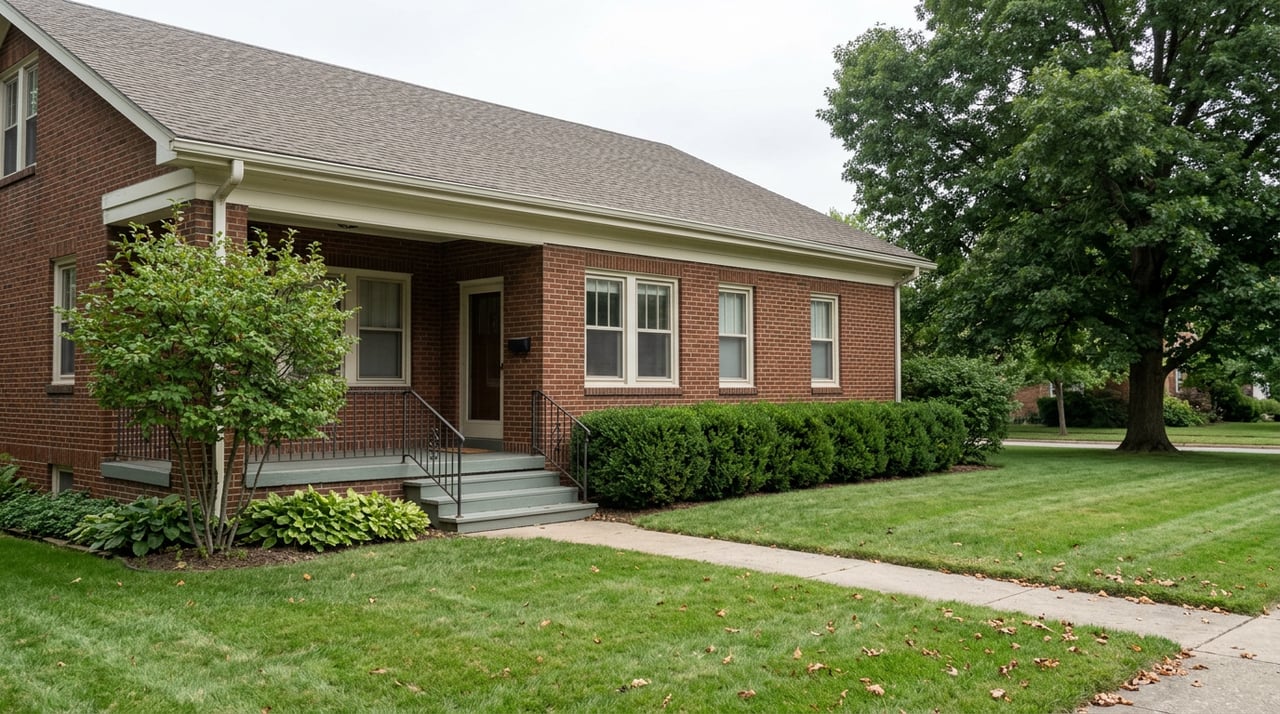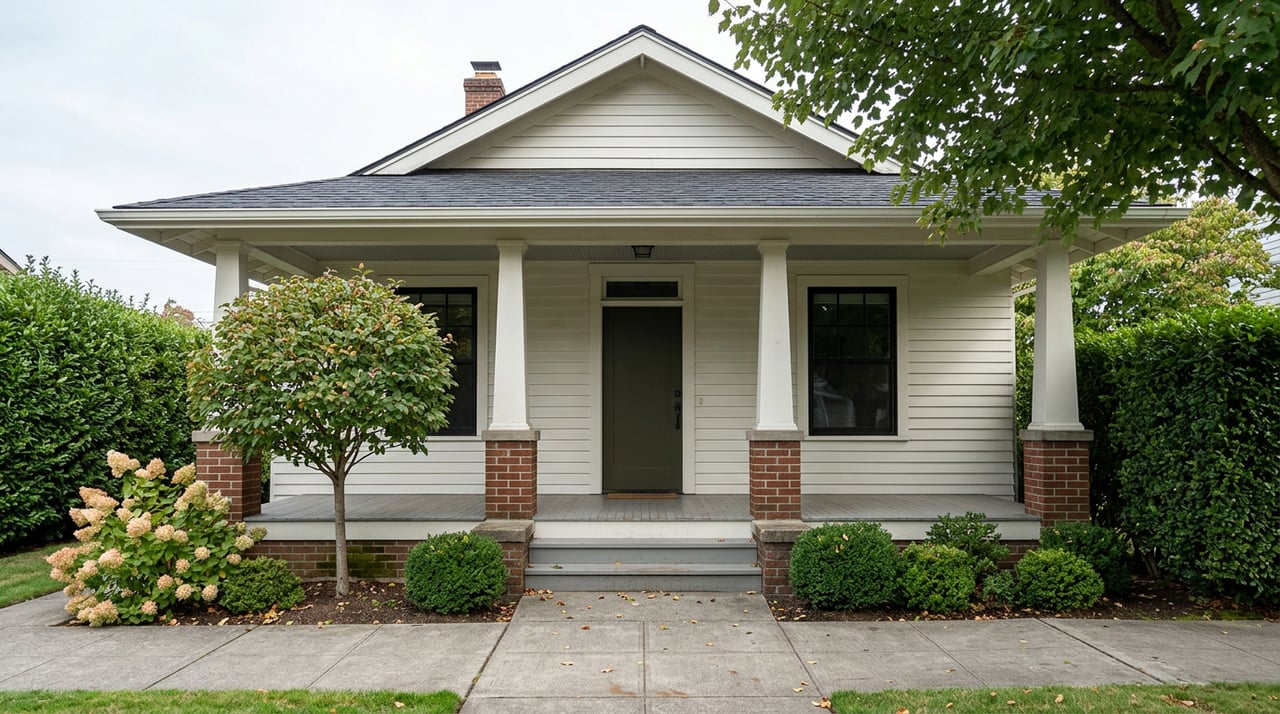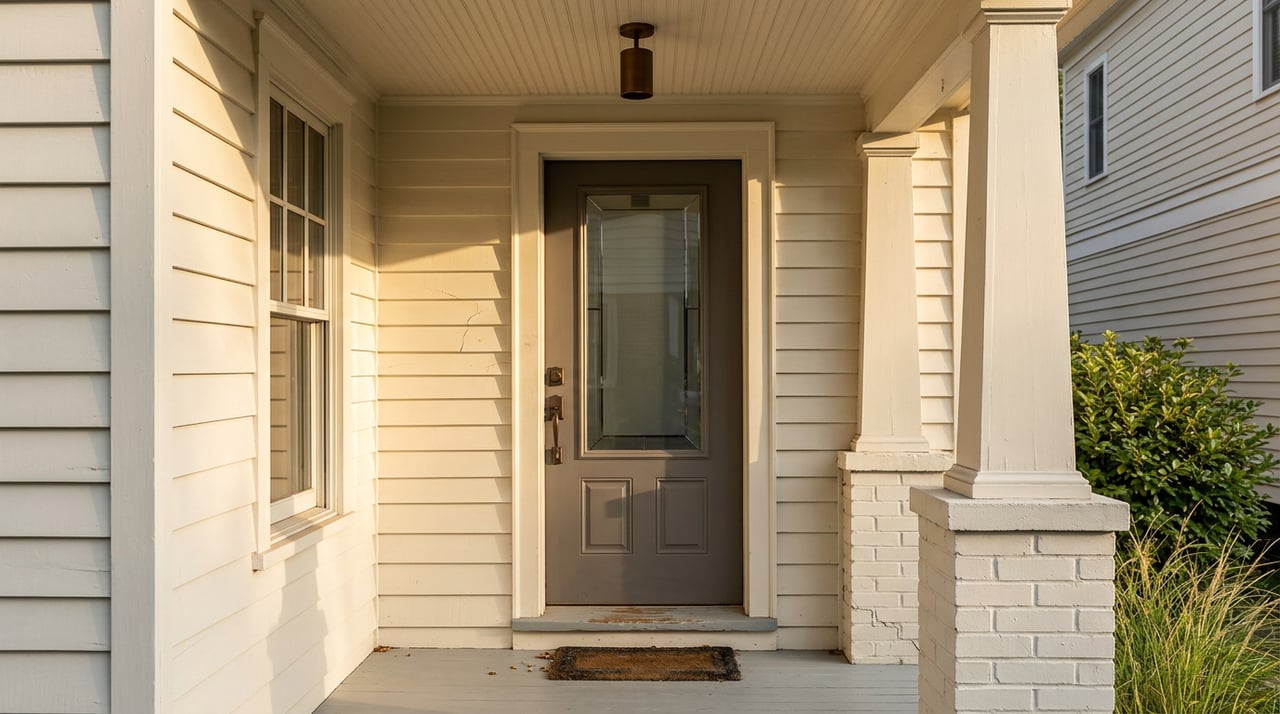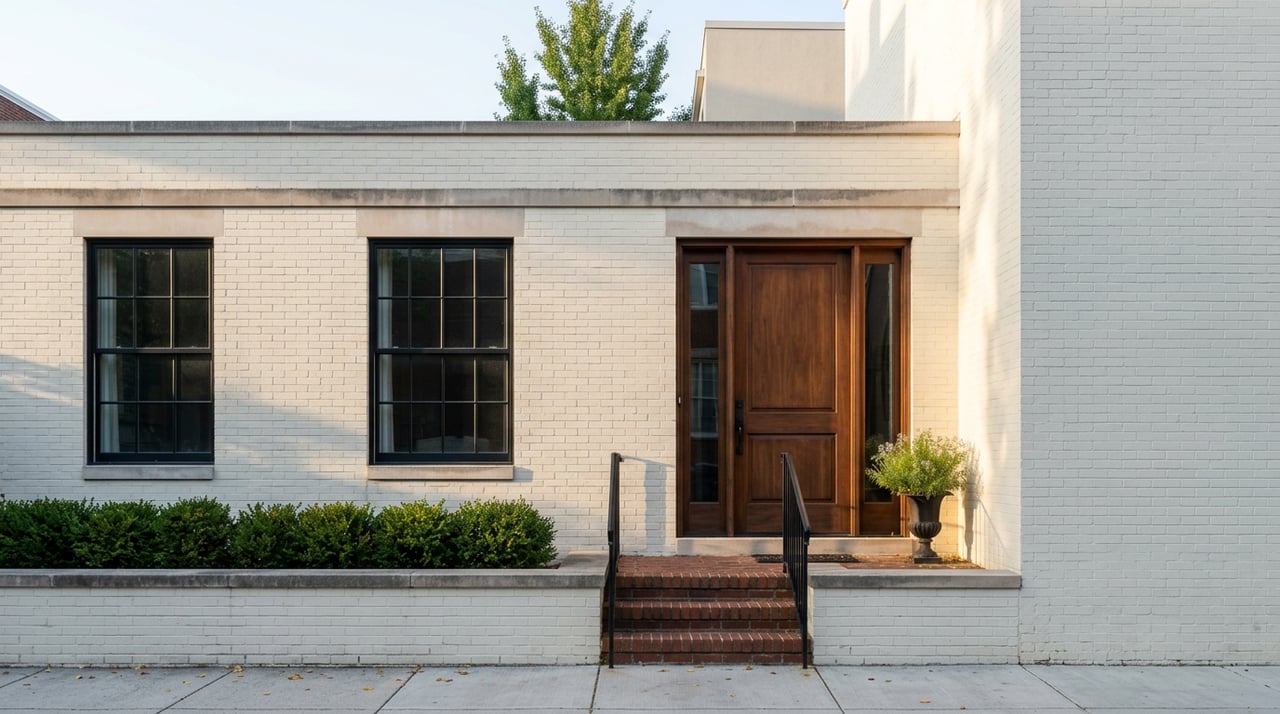
Thinking about a new construction home in Westfield but not sure where to start? You’re not alone. Between lot selection, builder options, design choices, and city permits, the process can feel like a maze. In this guide, you’ll learn how Westfield’s new-build market works, what to expect at each step, and how to avoid the costliest mistakes. You’ll also get practical checklists you can use from your first model visit through final walk-through. Let’s dive in.
Why build in Westfield
Westfield is one of Greater Indianapolis’ fastest-growing suburbs, supported by major investments around Grand Park and the revitalizing downtown core. The City’s planning and permitting resources make it easier to track what is building and how projects move from plan to reality. For local permit requirements and inspection scheduling, start with the City’s Residential Single-Family page on Westfield’s website.
You’ll find a broad range of new-home options, from low-maintenance townhomes to full custom builds. NewHomeSource currently lists about 19 active builders in Westfield, which gives you plenty of paths to compare based on timing, budget, and design priorities. You can browse that builder list on NewHomeSource’s Westfield page.
Three buying paths and timelines
Move-in-ready spec homes
Spec or inventory homes are built by the builder without a specific buyer, then offered for sale when construction is complete or near-complete. If the home is finished and you have financing in place, you can often close in about 30 to 90 days. This is the fastest route and a good fit if you want a predictable move date.
Build-to-order production homes
With a production build, you select a floor plan, lot, and upgrades from a curated menu. Typical construction windows range from a few months up to roughly 6 to 9 months, depending on builder backlog and weather. Your contract should include the builder’s written timeline and how delays are handled.
Full custom homes
A custom build includes design, engineering, permitting, and ground-up construction tailored to your plans. Expect a longer runway, often 9 to 18 months or more based on design complexity and site conditions. If you want unique architecture or extensive personalization, this path delivers the most flexibility.
What can slow progress
- Plan review and HOA approvals before permits are issued.
- Utility connections and meter availability.
- Seasonal weather, especially spring mud or winter freeze.
- Long-lead materials like trusses and windows.
- Inspection or subcontractor scheduling backlogs.
Confirm the builder’s current calendar in writing and ask how they schedule City inspections through Westfield’s system. You can review permit and inspection requirements on the City’s Residential Single-Family page.
Builders and communities to know
Bonterra by M/I Homes. A mix of townhomes and single-family homes near trails and the Shops at Bonterra, with some quick-move opportunities. It’s a helpful case study for comparing townhome convenience to single-family space. Explore community details on NewHomeSource’s Bonterra page.
The Courtyards of Westfield by Epcon Communities. Low-maintenance courtyard ranch homes with resort-style amenities, with recent releases starting in the mid to high $400Ks. Use this as a model for understanding HOA scope in lifestyle-focused neighborhoods.
Monon Corner by Arbor Homes. Single-family and low-maintenance ranch options near Grand Park and Monon Trail connections. See an overview on the BAGI community page.
Lindley Run by Olthof Homes. Townhome collections that appeal to buyers who value HOA-managed grounds and simpler upkeep. Review plans and features on Olthof’s Lindley Run page.
Towns at Chatham by Lennar and Pulte. Production ranch and townhome options near Chatham Hills amenities, illustrating the range from entry-level to higher-end production.
Local custom and on-your-lot builders. Examples include Heuer Homes, Elite Bespoke Homes, and North Ridge Construction. For a custom route in Westfield, start with Heuer Homes’ overview for Westfield builds.
Choose the right lot in Westfield
Lot selection affects everything from sunlight and privacy to project cost and build timeline. Before you sign, request these documents:
- The recorded plat and the builder’s lot exhibit.
- The Westfield-required plot plan and a final lot survey with easements and setbacks.
- Any notes on regulated drains or wetlands that can add design or permit requirements. Westfield provides guidance and FAQs on these topics on the City’s Resources and FAQs page.
Key lot trade-offs to weigh:
- Orientation for solar exposure and rear-yard privacy.
- Topography for walkout basements, retaining walls, and drainage.
- Proximity to amenities like trails, ponds, or a clubhouse versus traffic and event parking near Grand Park.
- Utility and stormwater easements that can shrink your buildable footprint.
- Setback rules for corner or cul-de-sac lots, and maintenance expectations for pond or stream edges.
How lot premiums work
Most production builders publish a base price for the plan, then add a lot premium for preferred locations like a cul-de-sac, walkout, or water view. Always compare the total delivered price. A simple way to model it:
- Base plan price
- Plus lot premium
- Plus structural options (sunroom, 3-car garage, finished basement)
- Plus design upgrades (flooring, cabinets, counters, lighting)
- Plus estimated closing costs and prepaids
Use a builder’s community page, like Bonterra’s listing on NewHomeSource, to understand how they present lot and option pricing, then ask for a line-item worksheet for your chosen home.
Upgrades, change orders, and incentives
Once you sign, builders set firm option and design-center deadlines. After framing or drywall, many changes are either not allowed or become very expensive. Get the deadlines in writing and set calendar reminders so you do not miss them.
When you request a change order, document every detail on paper: the exact scope, price, deposit due, and how the change affects your completion date. Larger shifts, like adding a finished basement or altering cabinetry, can reset timelines and trigger extra deposits.
Builders often run incentives, rate buydowns, and lender credits that can lower your payment or closing costs. Some offers require you to use the builder’s preferred lender or title company. Confirm all terms in writing and compare the incentive to a quote from an independent lender so you can see the true long-term cost. You can monitor current promotion styles by browsing select community pages on NewHomeSource.
Inspections, warranties, and your C of O
Even with municipal inspections, hire an independent inspector. The typical schedule looks like this:
- Pre-pour or foundation inspection.
- Pre-drywall or rough-in inspection while framing and systems are visible.
- Final inspection and blue-tape walk-through before closing.
- An 11-month inspection to catch settling and workmanship issues before the builder’s year-one warranty expires.
You can learn more about pre-drywall standards from InterNACHI’s inspection guidance. Keep all reports and send documented requests to your builder’s warranty team.
Most production builders follow a “1-2-10” warranty pattern: one year for workmanship and finishes, two years for systems, and 10 years for qualifying structural defects administered by a third-party program. For an overview of what those tiers usually cover and how claims work, review the materials from 2-10 Home Buyers Warranty. Ask your builder for the full written warranty and all claim deadlines, then calendar the 9 to 11 month window.
Before closing, your builder must pass final municipal inspections and obtain the Certificate of Occupancy. Confirm in writing that they will deliver the C of O before transfer. Westfield outlines permit and inspection procedures on the Residential Single-Family page.
Bring your own representation
The onsite sales rep works for the builder. If you want someone solely in your corner, hire a buyer’s agent and sign a representation agreement so the relationship and duties are clear. Indiana law defines agency relationships and duties to clients, including loyalty, disclosure limits on confidential information, care, and accounting. You can read the statute summary on Justia’s page for Indiana real estate agency law.
What a strong buyer’s agent does for new construction in Westfield:
- Reviews builder contracts, option deadlines, and deposit-release triggers.
- Compares incentives and preferred lender offers with independent quotes.
- Negotiates on lot premiums, upgrades, and timelines.
- Coordinates third-party inspections and follows up on punch-list completion.
- Reviews HOA documents and CC&Rs so you know service levels and rules.
Ask for these items in writing
- Target completion date and what happens if the date slips.
- A line-item list of all upgrades included in your price.
- Who pays any impact, park, or road fees that apply to your home.
- A full map and description of easements or regulated drains on your lot.
- Confirmation the Certificate of Occupancy will be secured before closing.
Pre-closing checklist
- Confirm your final walk-through and schedule enough time to mark issues.
- Verify the C of O and that all final inspections have passed with the City.
- Get final HOA documents, fee schedules, and amenity access steps.
- Ensure warranty enrollment is complete and you have claim instructions.
- Set up utilities, mail, and trash service, and confirm meter activation dates.
Avoid common buyer mistakes
- Registering at a model before hiring an agent, which can limit representation options.
- Missing option and selection deadlines, which can force costly late changes.
- Skipping pre-drywall or final third-party inspections, which can hide major issues.
- Overlooking easements or regulated drains that restrict your buildable footprint.
- Not reading the warranty for coverage limits and time-based claim rules.
- Forgetting to budget for items often excluded from base price, like landscaping, window treatments, fencing, and some exterior finishes.
Ready to compare builders, lots, and timelines with a clear plan? Our team pairs new-construction know-how with design guidance to help you choose the right community, dial in upgrades that add value, and protect your interests at every step. Start your move with Hundley Residential.
FAQs
How long does new construction take in Westfield?
- Spec homes often close in 30 to 90 days if inventory exists, production builds typically run 6 to 9 months, and custom homes can take 9 to 18 months or more depending on design and site conditions.
Do I need inspections on a brand-new Westfield home?
- Yes, schedule independent pre-drywall and final inspections, plus an 11-month check before the one-year workmanship warranty ends, following InterNACHI’s guidance.
How do lot premiums work in Westfield communities?
- Builders set a base plan price and add a separate fee for preferred lots, so always compare your total delivered price that includes the lot premium, structural options, design upgrades, and closing costs.
What does the City of Westfield require before move-in?
- Your builder must pass final inspections and secure a Certificate of Occupancy; you can review procedures on the City’s Residential Single-Family page.
Who does the model home sales rep represent in Indiana?
- The onsite rep represents the builder, so sign a buyer-representation agreement if you want an agent with fiduciary duties to you under Indiana’s agency laws summarized on Justia.
Are there low-maintenance new-home options in Westfield?
- Yes, communities such as The Courtyards of Westfield and townhome neighborhoods like Lindley Run offer HOA-managed exteriors and amenities that reduce day-to-day upkeep.
What can slow a build during Hamilton County winters?
- Seasonal conditions like freeze and thaw can delay pours or exterior work, and material or inspection backlogs can extend timelines, so get the builder’s schedule and contingency plan in writing.