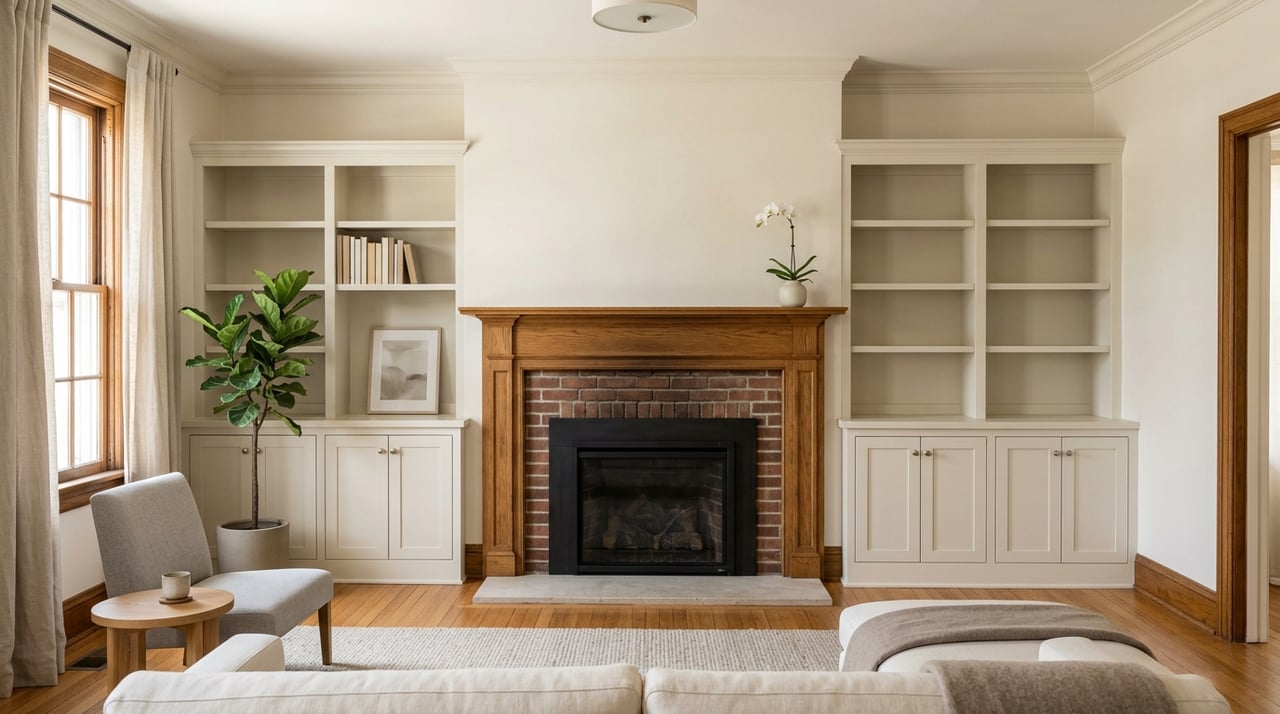
Selling a Meridian Kessler home comes with a unique challenge: you want buyers to see a fresh, move-in-ready space, but you do not want to strip away the details that make the home special. In a neighborhood known for early 20th-century architecture, buyers often notice craftsmanship, built-ins, trim, and original proportions just as much as square footage. The good news is that you do not need a full makeover to make a strong impression. With the right staging approach, you can help your home feel brighter, cleaner, and more functional while keeping its character front and center. Let’s dive in.
Let Meridian Kessler Character Lead
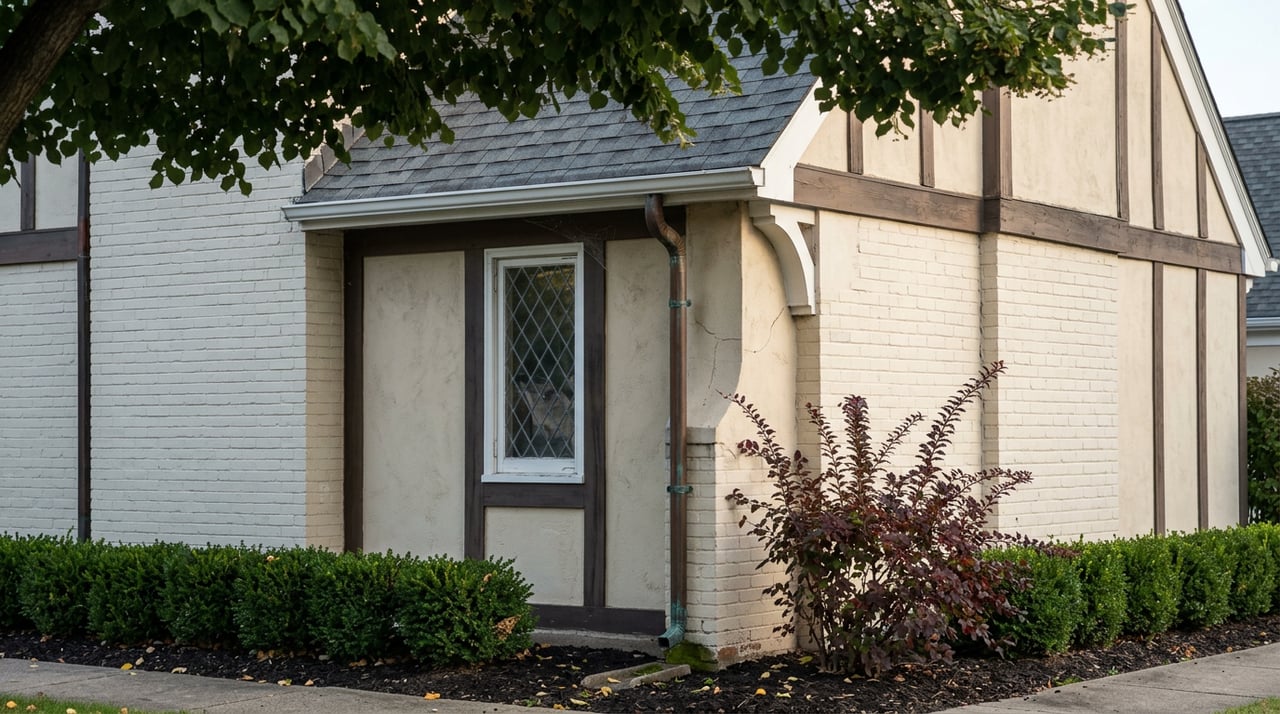
Meridian Kessler developed most rapidly in the 1920s and 1930s, and that history still shows up in the homes buyers tour today. You will often see American Foursquare, bungalow, Colonial Revival, Tudor Revival, and Classical Revival styles throughout the neighborhood. That means your staging plan should support the architecture rather than compete with it.
In practical terms, the goal is not to make an older home look brand new. It is to help buyers appreciate what is already there. Original millwork, fireplaces, staircases, plaster details, crown molding, wainscoting, and built-ins can all become selling points when the room around them feels simple, clean, and easy to read.
Meridian-Kessler also has a long-standing emphasis on historic architecture and neighborhood beautification. That makes a preservation-first mindset especially important. If your home is within a designated historic area, verify whether any exterior changes require approval before you update visible materials or façade elements.
Why Staging Matters in Older Homes
Staging is more than decorating. It is the process of cleaning, decluttering, repairing, depersonalizing, and updating a home so buyers can picture themselves living there. According to the National Association of Realtors 2025 staging report, 83% of buyers’ agents said staging makes it easier for buyers to visualize a home as their future residence.
That same report found that 29% of buyers’ agents said staging led to a 1% to 10% increase in offered value. It also found that 49% of sellers’ agents said staged homes sold faster. For a historic home, that matters because buyers need to feel both the charm of the house and the ease of moving into it.
The best staging strategy for Meridian Kessler is usually not remodel-first. It is preservation-first. Lighten the home, simplify the layout, and improve flow, but keep the visual evidence of age and craftsmanship in place.
Focus on Preservation, Not Disguise
Historic homes tend to lose appeal when staging tries too hard to make them look generic. Covering original woodwork, crowding rooms with trendy furniture, or removing period details can flatten the home’s personality. Buyers touring Meridian Kessler often expect character, and they want to see it.
A better approach is to make the architecture the focal point. That means using furniture that fits the room, choosing understated decor, and avoiding finishes or accessories that draw attention away from original details. When the house looks cared for instead of over-renovated, buyers can connect with both its beauty and its livability.
If something truly needs replacement, keeping the new material close in composition, design, color, and texture helps preserve the overall look. Small, thoughtful updates usually do more for presentation than dramatic changes.
Stage the Entry and Stair Hall
In many older Meridian Kessler homes, the entry sequence sets the tone right away. Foyers, stair halls, and front rooms often hold some of the most memorable details in the house. Buyers may notice the staircase, trim, proportions, and natural light within seconds of walking in.
Keep these spaces open and uncluttered. A simple runner, one small console or table, and clean lighting are often enough. The goal is to guide the eye toward the architecture, not to fill the area with extra decor.
Make the Living Room Feel Spacious
The living room is one of the most important spaces to stage. In the 2025 NAR report, it ranked as the top room for buyers and the most commonly staged room for sellers. That makes it a priority if you are deciding where to invest your time and energy.
In a Meridian Kessler home, the living room often includes features worth highlighting, such as a fireplace, original windows, built-ins, or detailed trim. Use furniture that suits the scale of the room. Oversized sofas or too many accent pieces can make the room feel smaller and hide the details buyers came to see.
Try to create a layout that feels conversational and easy to walk through. Open sightlines and visible focal points help the space feel both elegant and functional.
Keep the Kitchen Bright and Clear
The kitchen remains a major decision point for buyers. NAR found it was one of the top rooms to stage and one of the most commonly staged spaces by sellers. In an older home, the kitchen does not need to feel ultra-modern to make a good impression.
What matters most is that it feels clean, bright, and usable. Clear the counters, remove magnets and papers from the refrigerator, define any eating area, and deep clean floors and surfaces. If your kitchen still has original trim, cabinetry, or other period details, let those elements stay visible whenever possible.
A kitchen that feels tidy and functional can reassure buyers without erasing the home’s personality. Simplicity works better than trying to force a style that does not match the house.
Give the Dining Room Purpose
Dining rooms still deserve attention, especially in homes where entertaining spaces are part of the original design. A simple table setting can help buyers understand the scale of the room and how it functions. At the same time, leaving enough open space helps show circulation and keeps the room from feeling formal in a heavy way.
If the room includes built-ins, original moldings, or a buffet niche, stage around those details. Choose understated artwork and minimal accessories so the architecture remains the star.
Simplify Bedrooms and Closets
Bedrooms should feel restful, open, and easy to use. Calm bedding, minimal furniture, and a clear path around the bed can make even smaller rooms feel more generous. You do not need to over-style guest rooms or secondary bedrooms.
What buyers want most is a sense of order and possibility. Pack away extra items, reduce visible personal belongings, and keep closets about half-full so storage looks sufficient. If you have pet beds, crates, or bulky personal items, remove them for showings.
Keep Bathrooms Clean and Light
Bathrooms usually benefit more from cleanliness than decoration. Fresh towels, uncluttered counters, and good lighting can go a long way. In a historic home, less is often more.
Avoid filling the room with accessories that make it feel busy. Instead, focus on spotless finishes and a crisp, simple presentation. Buyers will notice when the space feels bright and low-maintenance.
Define Bonus Spaces Clearly
Older homes often include flexible rooms, finished basements, sunrooms, or office nooks that can confuse buyers if they are not clearly staged. If a room could serve more than one purpose, choose one and stage for it directly. A defined use helps buyers understand the value of the space.
This can be especially helpful for home offices and secondary living areas. Even in more flexible spaces, keep original trim, doors, and built-ins visible when they are present. That balance of function and character tends to read well in older homes.
Improve Curb Appeal Carefully
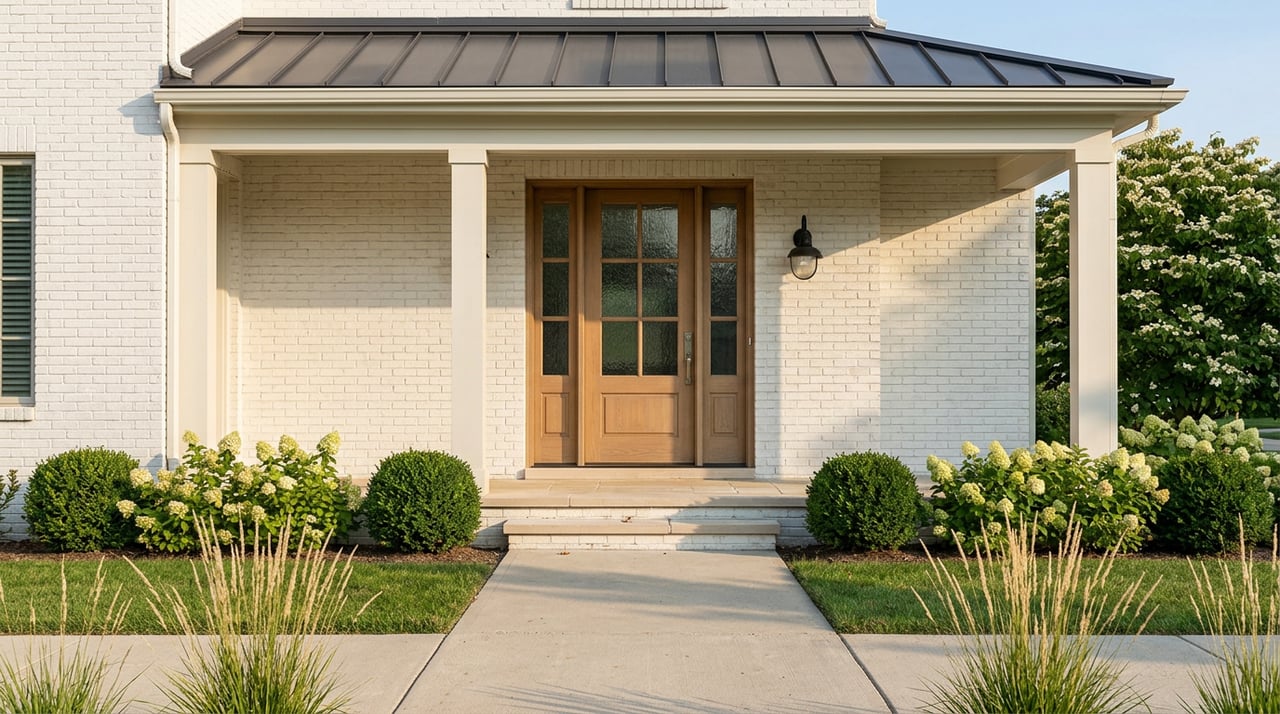
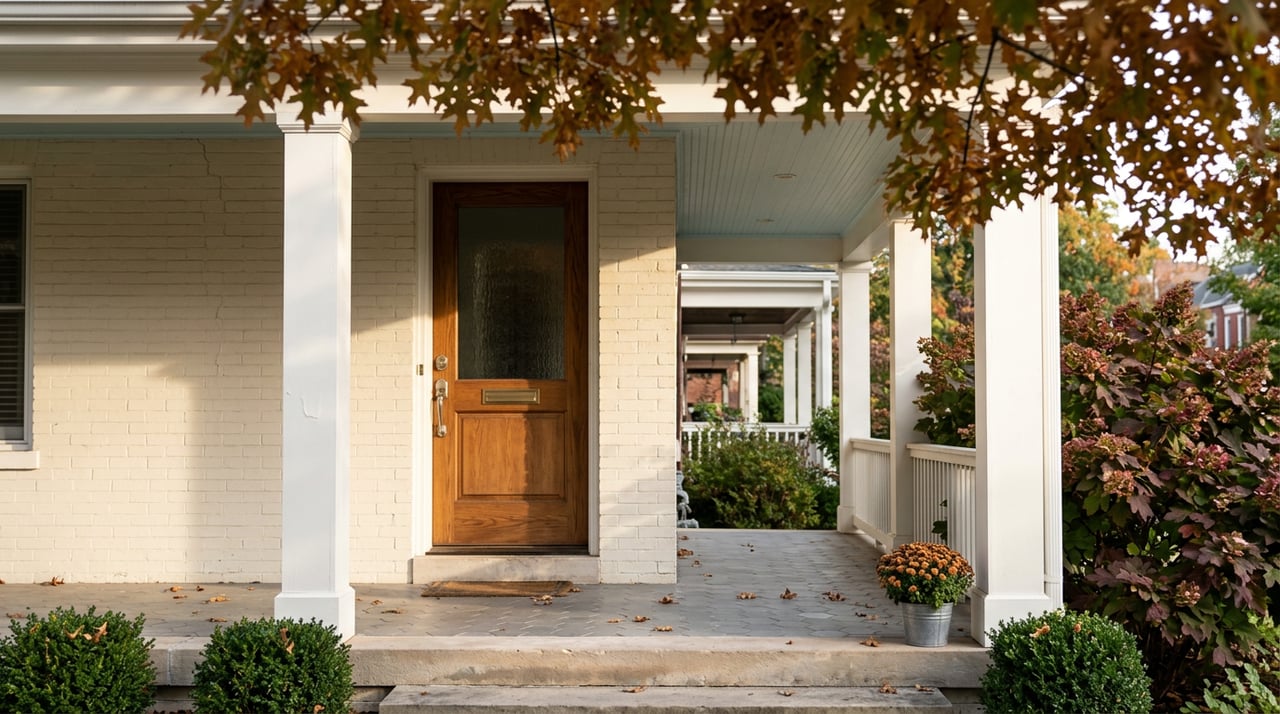
Buyers start forming opinions before they even reach the front door. Simple curb appeal improvements can help your home feel cared for right away. A clean doormat, manicured landscaping, and a few small potted plants can make the entry more inviting.
For Meridian Kessler homes, it is smart to keep exterior changes period-appropriate. The goal is to present the home as well maintained, not altered beyond recognition. If your property falls within a designated historic area, confirm whether exterior updates need approval before making visible changes.
Small Updates That Usually Help
You do not need to gut a room to improve how it shows. In many cases, the most effective updates are the simplest ones. Neutral wall colors, lighter rooms, and better flow can help buyers notice the architecture instead of distractions.
Soft whites and warm neutrals often work especially well in older homes because they make woodwork, brick, and built-ins stand out. Open the blinds, bring in consistent lighting, and remove heavy window treatments or dated lamps that make rooms feel dark. Fresh bedding, fluffy towels, and less clutter can also make the whole house feel more polished.
Here are a few safe updates that often help without erasing charm:
- Paint walls in soft white or warm neutral tones
- Remove bulky furniture that blocks circulation
- Clear surfaces and reduce decorative accessories
- Open blinds and improve lamp placement for better light
- Deep clean floors, trim, and original finishes
- Use simple textiles that complement the home’s age
What to Avoid When Staging
Some staging choices can make a historic home feel less authentic. That does not mean buyers want dated rooms. It means they want a home that feels cared for, cohesive, and true to itself.
Try to avoid these common mistakes:
- Hiding original woodwork or trim
- Overfurnishing smaller rooms
- Using bold paint or decor that competes with architecture
- Removing built-ins or stair details for a more contemporary look
- Letting personal items distract from room size and function
- Making exterior changes without checking historic rules if applicable
A Meridian Kessler Staging Mindset
The best Meridian Kessler staging plans usually share one thing in common: they respect the house. Buyers are often drawn to these homes because they feel different from newer construction. Your job is to help that difference feel welcoming, polished, and easy to imagine living in.
That is where thoughtful strategy matters. A design-forward plan can help you edit what is distracting, highlight what is distinctive, and prepare your home for the market without losing the features that make it memorable. If you are getting ready to sell in Meridian Kessler, Hundley Residential can help you create a staging approach that feels true to your home and smart for today’s buyers.
FAQs
How should you stage a historic Meridian Kessler home?
- Focus on cleaning, decluttering, repairing, and simplifying the home while keeping original details like woodwork, fireplaces, built-ins, staircases, and trim visible.
Which rooms matter most when staging a Meridian Kessler home for sale?
- The living room is the top priority, followed by key spaces like the kitchen, dining room, bedrooms, bathrooms, and any bonus room that needs a clearly defined purpose.
What paint colors work best for staging a Meridian Kessler house?
- Soft whites and warm neutral tones usually work best because they brighten older rooms and help historic details like woodwork and brick stand out.
Should you remodel before selling a Meridian Kessler home?
- In many cases, a preservation-first staging plan is a better fit than a major remodel because buyers often respond well to homes that feel maintained, functional, and true to their original character.
Do Meridian Kessler homeowners need approval for exterior changes?
- Some properties in designated historic areas may need Historic Preservation Commission approval and a certificate of appropriateness before certain exterior or structural changes can move forward.