Wondering how to sell a Meridian Kessler home without leaving money on the table? In a neighborhood known for distinct architecture, block-by-block differences, and buyers who notice details, your pricing and prep strategy matters from day one. If you want a sale that feels smooth, well-positioned, and market-smart, the right plan starts before your listing goes live. Let’s dive in.
Why Meridian Kessler pricing is different
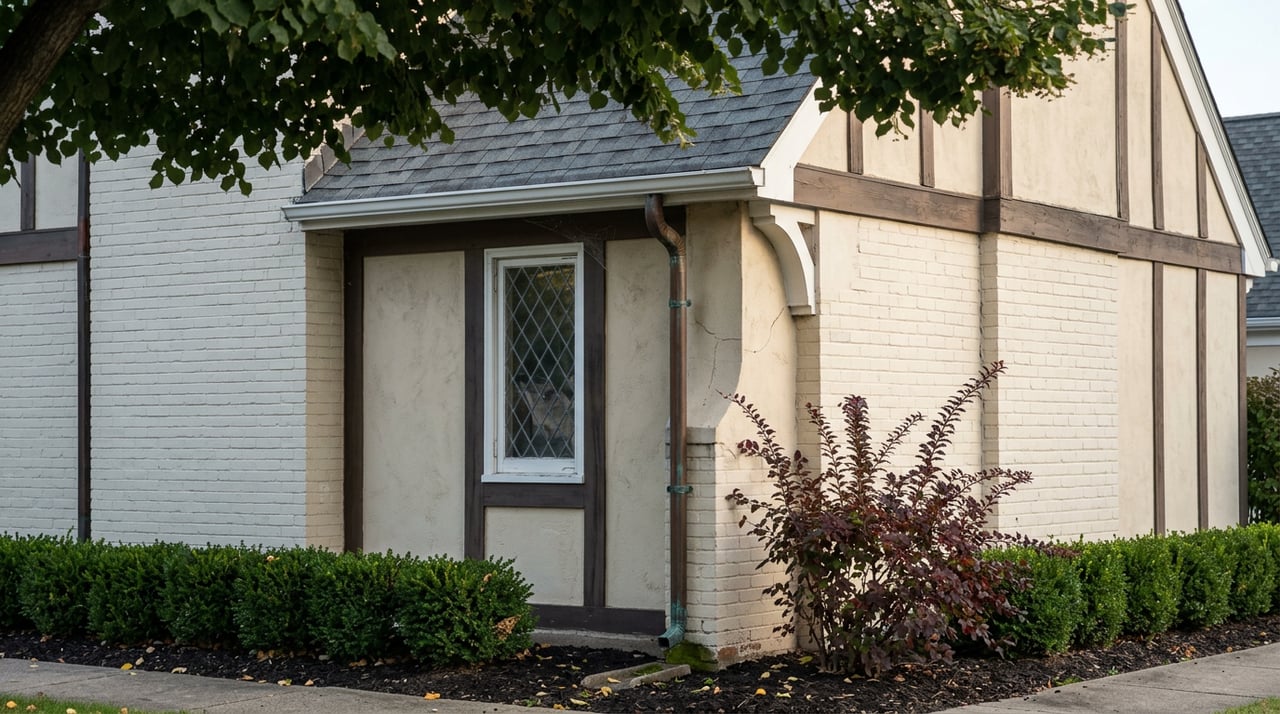
Meridian Kessler is not a one-size-fits-all neighborhood. It developed quickly in the 1920s and 1930s, and the housing stock includes a wide range of early 20th-century styles, from American Foursquares and bungalows to larger Colonial Revival, Tudor Revival, and Classical Revival homes.
That variety changes how buyers compare homes. In many parts of the neighborhood, buyers are weighing character, condition, lot size, updates, and micro-location all at once, not just square footage.
Most lots are under half an acre, though some boulevard parcels are larger. The older grid layout and architectural mix mean homes a few blocks apart can attract different buyers and support different price points.
Use neighborhood comps, not city averages
Indianapolis as a whole was a buyer's market in March 2026, with a median 47 days on market and a 100% sale-to-list ratio. But Meridian Kessler should be priced on its own terms, not based on metro-wide averages.
Current neighborhood data points to an active but price-sensitive market. Realtor.com describes 2026 conditions as balanced, with homes selling for 100% of asking on average, a median listing price near $400,000, and 67 homes for sale.
Other public trackers show slightly different snapshots, but the direction is similar. Redfin reported a March 2026 median sale price of $482,500 with 54 median days on market, while Zillow showed 56 homes for sale, a median list price of $388,648, and 15 days to pending in April 2026.
The takeaway is simple: pricing needs to match Meridian Kessler reality, not broad Indianapolis headlines. Buyers here have options, and they can usually tell when a home is priced for the market versus priced for hope.
First-week pricing matters most
In a balanced or near-balanced market, the first week on market carries real weight. If your list price is too aggressive, you risk missing the buyers most likely to act early.
That matters in Meridian Kessler because buyers are often comparing your home to very specific alternatives. They are not just asking whether a home is attractive. They are asking whether it is the right mix of style, updates, and location for the price.
A strong list price should be supported by recent sold comps that match as closely as possible on:
- architectural style
- block or micro-location
- lot size
- renovation level
- system updates
- preservation status, if applicable
Active listings can help frame competition, but they should not set your price on their own. A high asking price nearby does not prove what buyers will actually pay.
What affects value in Meridian Kessler
Architectural style and character
A bungalow east of College Avenue may compete in a different lane than a larger period-revival home west of College Avenue. South of 44th Street, American Foursquares may attract buyers looking for original layout and historic detail, while other buyers may prioritize a more extensively modernized interior.
That is why pricing has to go beyond price per square foot. In Meridian Kessler, the feel and function of the home often matter just as much as the size.
Condition and renovation level
Buyers tend to look closely at whether an older home has updated systems alongside preserved charm. A well-maintained home with solid roof, HVAC, plumbing, electrical, and foundation history may compete differently from a home that looks stylish in photos but raises questions during due diligence.
If your home has meaningful updates, those need to be documented clearly and reflected thoughtfully in pricing. If it needs work, it is usually better to account for that up front than to let buyers discover it and discount heavily later.
Micro-location and lot characteristics
Not every Meridian Kessler address performs the same way. Boulevard parcels, street feel, lot size, and location within the neighborhood can influence demand and price expectations.
This is one reason broad averages can mislead sellers. A home's value often comes into focus only when you compare it with the right nearby sales and similar housing types.
Preservation review status
Meridian Kessler is not one neighborhood-wide local historic district. However, three National Register districts sit within the neighborhood, and some parcels are subject to preservation-related review.
If your home is on North Meridian Street in the Meridian Street Preservation Area, exterior work may require approval before work begins. That can affect prep planning, project timing, and how buyers view future exterior changes.
Start prep with documents and disclosure
Before you think about paint colors or staging, start with paperwork. Indiana generally requires sellers of one-to-four-unit residential property to complete and deliver the Seller's Residential Real Estate Sales Disclosure form before an offer is accepted.
That form covers many issues buyers care about in older homes, including roof condition, plumbing, electrical, heating and cooling, foundation, moisture, hazardous conditions, additions completed without permits, flood plain issues, and covenants or HOA restrictions.
This step is more than a formality. It helps you spot questions buyers will likely ask and gives you time to gather records, service history, and repair information before your home hits the market.
Confirm preservation rules before exterior work
Do not assume the whole neighborhood follows the same historic review process. Meridian Kessler itself is not a designated local historic district, so the right question is whether your specific parcel falls inside a preservation-controlled area.
If your home is in the North Meridian Street Preservation Area, the Meridian Street Preservation Commission says owners must obtain approval for certain actions, and properties in the Primary Preservation Area need approval for exterior construction, reconstruction, alteration, or demolition before work begins.
That means exterior prep should start with verification, not scheduling. If you plan to repaint, replace features, or make exterior changes, confirm the rules first so your timeline stays realistic.
Decide whether a pre-list inspection makes sense
A pre-list inspection is not required, but it can be useful. It may reveal issues before buyers do, which gives you more control over whether to repair, disclose, or adjust pricing.
For older Meridian Kessler homes, that can be especially helpful. Buyers often focus quickly on roof age, HVAC condition, plumbing, electrical systems, foundation concerns, moisture or water intrusion, and any signs of work done without permits.
Knowing those answers early can help you avoid a rushed response during negotiations. It can also make your pricing strategy more confident and more credible.
Focus prep where buyers notice it first
Not every pre-sale project has the same payoff. Recent NAR consumer guidance points to decluttering, whole-home cleaning, and curb appeal as the most common and useful seller improvements.
That includes practical details like cleaning windows, carpets, lighting fixtures, and walls. It also includes improving landscaping, refreshing the front entrance, and addressing paint where needed.
In a neighborhood like Meridian Kessler, presentation should feel polished and complete. Buyers often expect historic homes to show well both in photos and in person, so unfinished details can stand out fast.
Treat staging as strategy
Staging is not just about decoration. It is a marketing tool that helps buyers understand how the home lives.
According to NAR's 2025 staging profile, 83% of buyers' agents said staging made it easier for buyers to visualize a property as a future home. The rooms most commonly staged were the living room, primary bedroom, dining room, and kitchen.
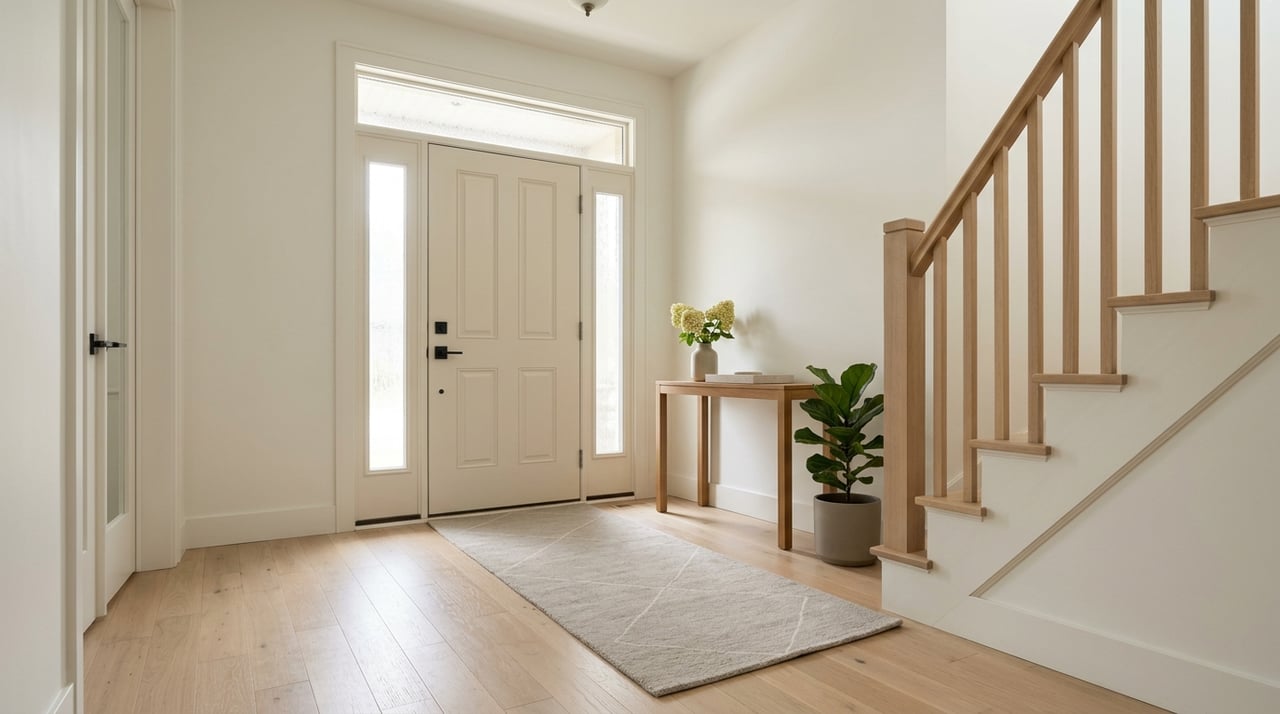
For Meridian Kessler sellers, that is especially relevant because many homes have strong architectural personality. Good staging helps buyers appreciate scale, flow, and original details without feeling distracted by personal items or visual clutter.
This is where a design-forward approach can make a real difference. When your presentation highlights the home's character while keeping the look clean and current, buyers can connect with the space more quickly.
Follow a smart go-live sequence
A strong launch usually follows a clear order of operations. That helps you avoid listing before the home is truly ready.
A practical pre-market sequence looks like this:
- pricing and strategy review
- document and disclosure review
- pre-list inspection, if desired
- prioritized repairs
- staging and curb appeal updates
- professional photography
- launch once everything is ready
This matters because your first impression is hard to reset. In a market where buyers move based on presentation and price alignment, a rushed listing can cost you momentum.
Questions buyers will likely ask
If you are selling in Meridian Kessler, expect buyers to ask targeted questions early. Many of those questions come straight from Indiana's disclosure topics and local preservation rules.
Common buyer questions include:
- How old is the roof?
- When were the HVAC, plumbing, and electrical systems updated?
- Are there any foundation concerns?
- Has there been past water intrusion or moisture?
- Were additions or changes completed with permits?
- Does any exterior work require preservation approval?
When you prepare these answers in advance, your listing feels more credible and easier to evaluate. That can reduce friction and help buyers make decisions with more confidence.
The bottom line for Meridian Kessler sellers
Selling a Meridian Kessler home is rarely about picking a number and putting up a sign. It is about matching price to the right comps, matching prep to buyer expectations, and matching your launch timing to a polished presentation.
In this neighborhood, details matter. Architecture matters. Documentation matters. And the sellers who usually stand out are the ones who treat pricing and preparation as one connected strategy.
If you are planning a move in Meridian Kessler, Hundley Residential can help you build a thoughtful pricing, prep, and presentation plan that fits your home and your goals.
FAQs
Is Meridian Kessler under one historic district rule?
- No. Meridian Kessler is not a single neighborhood-wide local historic district, so preservation review depends on the specific parcel and whether it is in a preservation-controlled area.
Is a pre-list inspection required for a Meridian Kessler home sale?
- No. A pre-list inspection is optional, but it can help you uncover issues early and decide what to repair, disclose, or price around.
What should sellers disclose when selling a home in Indiana?
- Indiana generally requires sellers of one-to-four-unit residential property to complete the Seller's Residential Real Estate Sales Disclosure form before an offer is accepted, covering items like roof, plumbing, electrical, HVAC, foundation, moisture, and certain permit-related issues.
What prep work has the most payoff before listing a Meridian Kessler home?
- Decluttering, whole-home cleaning, curb appeal improvements, and staging key spaces like the living room, primary bedroom, dining room, and kitchen are among the most recommended pre-list steps.
How should a Meridian Kessler seller set a list price?
- The strongest approach is to use recent sold comps that closely match your home's style, condition, micro-location, lot size, and update level rather than relying on citywide averages or the highest active listing price.