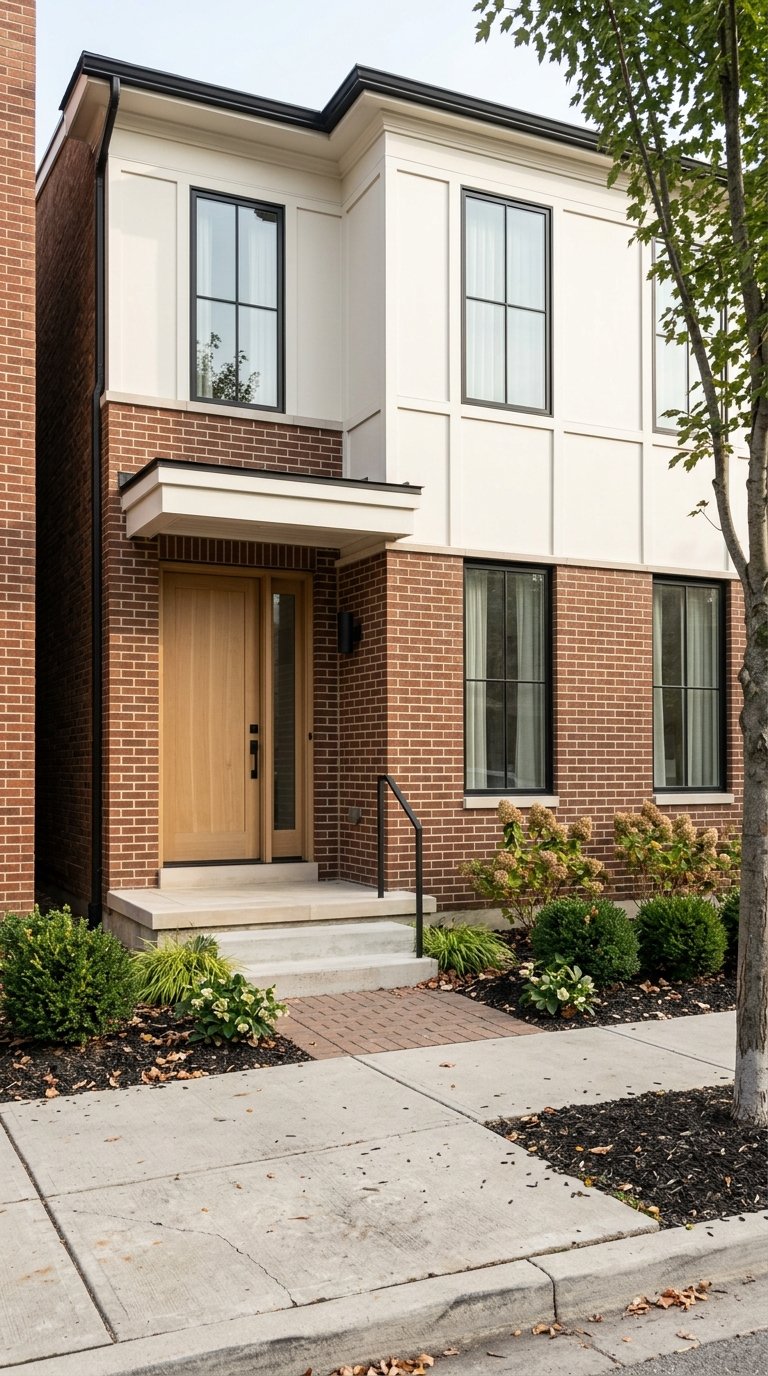
Curious what day-to-day life in central Indianapolis actually feels like? If you are weighing a move closer to downtown, the answer is usually less about one single neighborhood and more about finding the right fit within a connected urban core. From historic residential streets to trail-linked entertainment districts, central Indy offers a range of lifestyles, housing options, and commute advantages that can look very different from suburban living. Let’s dive in.
Central Indy feels connected
One of the most helpful ways to understand central Indianapolis is to think of it as a collection of linked districts instead of one uniform area. Visit Indy groups the urban core into neighborhoods and cultural districts like Mass Ave, Fountain Fletcher, Indiana Avenue, the Wholesale District, White River State Park and the Canal, and Broad Ripple.
That connected feel shows up in everyday life. The Indianapolis Cultural Trail ties together all six downtown cultural districts, links to Fountain Square and White River State Park, and extends the city’s walk-bike network into nearby neighborhoods. In practical terms, that means you can experience very different pockets of the city without feeling cut off from the rest of the core.
Daily life is active and urban
If you live in central Indianapolis, your routine often revolves around short trips, trails, restaurants, events, and public spaces. Compared with a more suburban pattern, you may spend less time driving for every errand or outing and more time walking, biking, or making quick hops between neighborhoods.
The Cultural Trail is a major part of that rhythm. It is a 10.6-mile walking and biking route that connects the city’s cultural districts, while the Canal Walk gives you another option for a waterside walk, run, or bike ride. If you are farther north, the Monon Trail links Broad Ripple south toward Mass Ave and downtown.
That trail access pairs with a wide range of things to do. Downtown Indy Alliance notes there are more than 350 restaurants, bars, and coffee shops within a two-mile radius of downtown, and White River State Park adds museums, attractions, green space, and event venues right in the heart of the city.
Downtown offers convenience
Downtown, including the Wholesale District and the Canal area, is the city’s live-work-play center. It is the heart of Indianapolis’ cultural and economic life, with a concentration of offices, entertainment, dining, and public spaces.
For many residents, the appeal is convenience. You can be close to restaurants, coffee shops, sporting venues, museums, and the Canal Walk, all while staying near major employers and downtown destinations. White River State Park also adds a large green-space presence that is unusual for an urban core.
This part of central Indy often suits buyers who want easy access to the city’s busiest amenities. Housing here tends to lean toward apartments, condos, and some townhome-style options, which can appeal if you prefer lower-maintenance living and proximity over yard space.
Mass Ave blends culture and convenience
Mass Ave is one of the clearest examples of central Indianapolis living with a strong neighborhood identity. Visit Indy describes it as artsy and independent, with galleries, boutiques, restaurants, bars, and the Bottleworks District at the north end.
It is also close to downtown without feeling exactly like downtown. The neighborhood sits about a 20-minute walk from the heart of downtown, and the Cultural Trail makes it easy to reach by foot or bike. That gives you a blend of access and atmosphere that many buyers find appealing.
Bottleworks adds another layer to the lifestyle. The converted Coca-Cola bottling plant now includes a hotel along with a large mix of dining and entertainment options, and The Garage Food Hall has become one of the district’s most recognizable gathering spots.
Fountain Fletcher feels eclectic
Just one mile southeast of downtown, Fountain Fletcher offers a different version of central Indy life. Visit Indy describes the district as vintage and unique, with antique shops, restaurants, live music, art galleries, duckpin bowling, and working artists.
This area often feels more eclectic and nightlife-oriented than the office-heavy downtown core. It still stays well connected, though. The Cultural Trail and the Red Line both link Fountain Fletcher to downtown, which helps the district feel integrated into the center of the city.
If you like a neighborhood with strong local identity and plenty to do after work or on weekends, Fountain Fletcher is one of the central districts that stands out. It offers an urban experience that feels creative and active without being far from downtown.
Indiana Avenue adds history
Indiana Avenue highlights the cultural and historical depth of central Indianapolis. Located between the Central Canal and White River, the district is known for history, music, restored neighborhoods, and landmarks that reflect Indianapolis’ Black heritage.
The area is anchored by the Madam Walker Legacy Center, which makes it one of the city’s most important cultural corridors. For buyers who value being close to places with deep local significance, Indiana Avenue offers more than convenience alone.
That sense of place is one reason central Indy feels layered rather than one-note. Along with dining, trails, and entertainment, you also have neighborhoods where history plays a visible role in the daily landscape.
Historic neighborhoods feel residential
Not every central Indianapolis neighborhood looks like lofts and high-rises. Areas such as Lockerbie Square, Old Northside, and Herron-Morton Place offer a more residential feel while still keeping you close to downtown.
Lockerbie Square is the oldest surviving neighborhood in Indianapolis and includes Italianate, Federal, and Queen Anne homes. Herron-Morton Place is known as a historic downtown district focused on restoration and renewal, while the Old Northside is another historically important area shaped by notable homes and later revitalization.
These neighborhoods can appeal if you want architectural detail, established block patterns, and a stronger separation from the busiest parts of downtown. They show that central Indy includes both urban convenience and historic residential character.
North-central areas widen your options
Meridian-Kessler and Broad Ripple help round out the picture of central Indianapolis. They show that central living is not limited to downtown apartments or condo buildings.
Meridian-Kessler sits about four miles north of downtown and includes housing that ranges from mansions to smaller homes to vintage apartments. That variety makes it a useful option if you want a central location with a more neighborhood-driven feel and a broader mix of home styles.
Broad Ripple, farther north, is connected to downtown by both the Monon Trail and the Red Line. It is known for nightlife, dining, local shops, and trailside activity, which gives it a lively identity while still functioning as part of the larger central-city network.
Housing varies by neighborhood
One of the biggest strengths of central Indianapolis is the range of housing types. Downtown housing includes apartment buildings, condo buildings, and some townhome-style options, while nearby central neighborhoods add historic single-family homes, vintage apartments, and converted older buildings.
That creates a spectrum of choices. On one end, you have newer or newer-feeling buildings close to downtown amenities. On the other, you have older homes with architectural character, established streets, and a different kind of neighborhood texture.
The trade-off is usually straightforward. In central Indianapolis, you often gain character, convenience, and proximity, while giving up some lot size or private-yard space compared with many suburban neighborhoods.
Commutes can be simpler
For many buyers, commuting is one of the strongest reasons to consider central Indianapolis. The Red Line runs 13 miles through the heart of the city and operates every 15 to 20 minutes, connecting neighborhoods with employers, cultural institutions, healthcare facilities, and educational campuses.
IndyGo specifically names destinations on the corridor that include IU Health Methodist, Ivy Tech, IU Indianapolis, and the University of Indianapolis. If you work downtown, in healthcare, or in higher education, that access can make the urban core especially practical.
The trail network also supports non-car commuting and quick daily routines. Between the Cultural Trail, the Monon, and the Canal Walk, central Indy offers more options for getting around on foot or by bike than a typical car-dependent pattern.
Who central Indy fits best
Central Indianapolis is often a strong fit if you value proximity, neighborhood identity, restaurants, trails, cultural destinations, and shorter commutes. It can also appeal if you like the idea of lower-maintenance living, historic architecture, or having several distinct districts within easy reach.
It may be a weaker fit if your top priorities are a large yard, a newer subdivision layout, or more separation from activity. That does not make one choice better than another. It simply means central Indy works best when your lifestyle lines up with the advantages the urban core offers.
If you are deciding between central Indianapolis and a suburban move, it helps to think about how you want your days to feel. Do you want more space and a quieter street pattern, or do you want trails, dining, events, and short trips to be part of your regular routine?
When you are ready to explore central Indianapolis neighborhoods with a local, design-minded perspective, Hundley Residential can help you compare housing options, neighborhood feel, and commute patterns so you can make a confident move.
FAQs
What is central Indianapolis like for daily life?
- Central Indianapolis often revolves around short trips, trail access, restaurants, events, and public spaces, with the Cultural Trail, Canal Walk, and Monon Trail supporting a more walkable and bike-friendly routine.
What neighborhoods show the central Indianapolis lifestyle best?
- Some of the clearest examples include downtown, Mass Ave, Fountain Fletcher, Indiana Avenue, Lockerbie Square, Old Northside, Herron-Morton Place, Meridian-Kessler, and Broad Ripple.
What types of homes are common in central Indianapolis neighborhoods?
- You will find apartments, condos, townhome-style options, historic single-family homes, vintage apartments, and converted older buildings across the central Indianapolis area.
Is central Indianapolis walkable?
- In many districts, yes. The Cultural Trail, Canal Walk, and Monon Trail make selected central neighborhoods much more walkable and bike-friendly than a typical suburban pattern.
Is central Indianapolis good for commuting?
- Central Indianapolis can be especially practical for commuting to downtown, healthcare facilities, and university campuses because the Red Line connects many key destinations through the heart of the city.
How is central Indianapolis different from suburban living?
- Central Indianapolis usually offers more proximity to dining, events, trails, and jobs, while suburban areas more often provide larger lots, newer subdivision patterns, and more private outdoor space.